Poor sleep is one of those problems everyone tries to fix with quick tricks first, cutting screen time before bed, a white noise app, maybe melatonin. Some of that helps a little. Very few people ask why their sleep is actually poor in the first place, and that question is where Ayurveda takes a genuinely different approach.
Why Ayurveda Treats Sleep as a Symptom, Not the Problem
In Ayurveda, poor sleep is rarely treated as an isolated issue. It’s generally understood as a sign that something else, most often Vata imbalance, is already out of balance. Vata governs movement, nervous system activity, and mental restlessness, and when it’s aggravated, disrupted sleep is one of the most common results, alongside racing thoughts, digestive irregularity, and general anxiety.
This matters because it changes the actual goal of treatment. Rather than sedating you into sleep, an Ayurvedic approach tries to address why your nervous system isn’t settling on its own, which is also why the results, when the approach is done properly, tend to last longer than a sleep aid that stops working the moment you stop taking it.
What Ayurvedic Treatment for Sleep Actually Involves
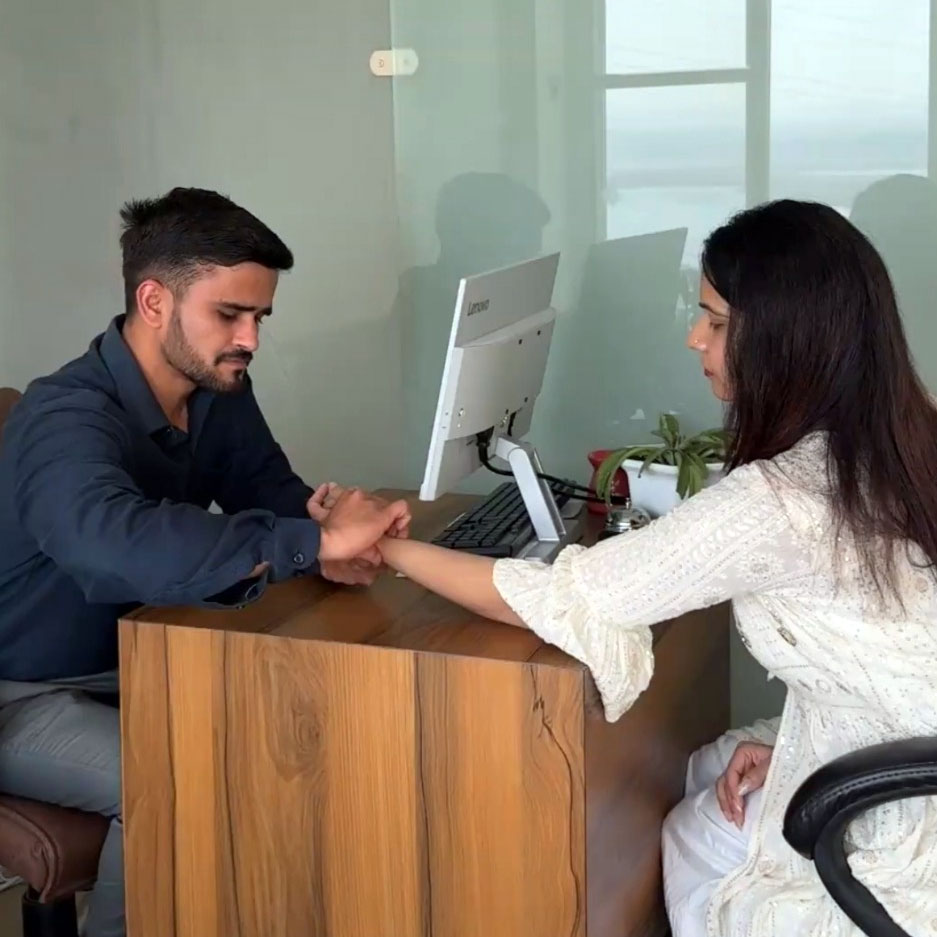
It starts with an assessment, not a remedy. A real Ayurvedic doctor consultation looks at your specific constitution, current imbalances, and lifestyle before recommending anything, since a Vata-driven sleep problem (racing mind, difficulty falling asleep) needs a different approach than a Pitta-driven one (waking up around 2-3 AM, feeling wired) or Kapha-related grogginess and oversleeping.
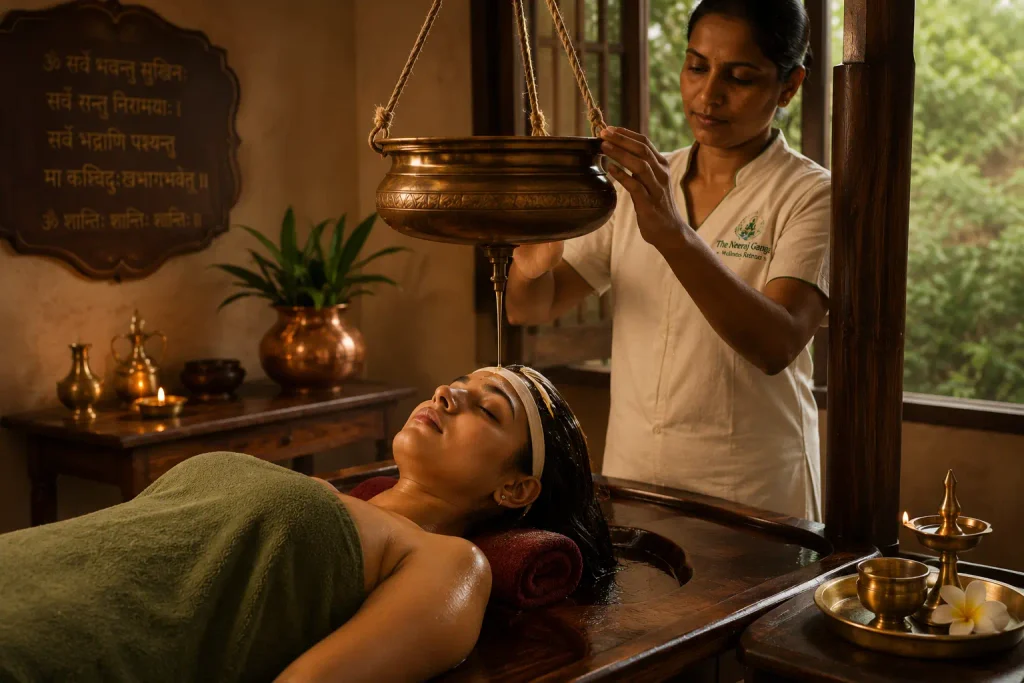
Shirodhara is one of the most commonly used therapies for sleep specifically. Warm oil poured in a slow, continuous stream over the forehead has a genuinely calming effect on an overactive nervous system, many guests describe it as one of the most immediately noticeable therapies for settling a racing mind.
Abhyanga supports sleep indirectly, through grounding. Full-body warm oil massage is traditionally used to calm an aggravated Vata constitution, which is often the underlying driver behind disrupted sleep in the first place.

Diet and meal timing matter more than most people expect.
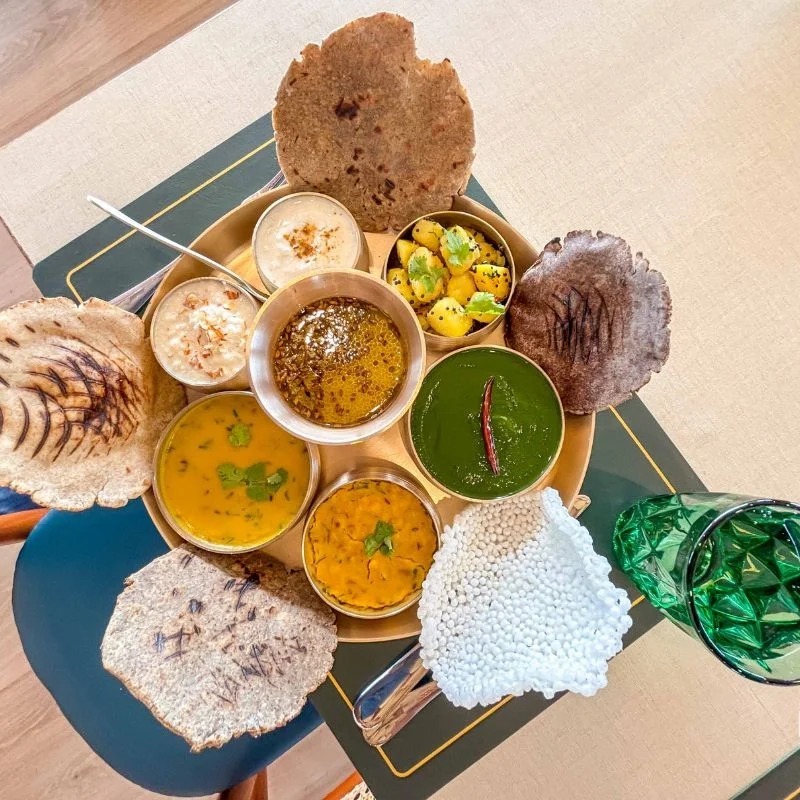
Ayurveda treats late, heavy, or irregular meals as a direct contributor to poor sleep, since digestion that’s still active late at night keeps the body from properly winding down. A Satvik diet, light, warm, and consistently timed, is used specifically to support this rather than as a generic “eat healthy”recommendation.
Daily routine (Dinacharya) is treated as part of the treatment.
consistent wake time, meal schedule, and wind-down routine is considered foundational in Ayurveda, not a lifestyle tip added on the side. Irregular routine is itself considered Vata-aggravating, independent of whatever else might be disrupting your sleep.
Does It Actually Work?
Here’s the honest answer: individual therapies like Shirodhara do have a genuine, immediate calming effect on the nervous system, this isn’t just a subjective or placebo claim, warm oil applied steadily to the forehead has a measurable relaxing effect that most people notice the first time they try it.
What takes longer, and requires more than a single session, is actually resolving a chronic sleep pattern. A racing mind that’s been driving poor sleep for months or years generally needs sustained treatment, several consecutive days of therapy combined with consistent diet and routine changes, not a single spa visit, to produce a lasting shift. This is the same pattern we’ve seen with other Ayurvedic treatments: individual sessions provide real, immediate relief, but lasting change comes from a structured, multi-day program.
What to Look for If You’re Considering This
A few honest markers separate a genuine Ayurvedic sleep program from a wellness-branded relaxation package:
Does it start with a real consultation identifying your specific constitution and sleep pattern, or does it go straight to a generic treatment? Are diet and daily routine addressed as part of the plan, or left out entirely? Is the program long enough to actually shift a chronic pattern, or is it a single session marketed as a fix?
At The Neeraj Ganga Wellness Retreat in Rishikesh, our Sleep Enhancement programme begins with the same consultation-first approach used across every programme here, an assessment by our Ayurvedic doctor before any therapy is recommended. This reflects founder Dr. R.K. Gupta’s four decades in healthcare and Ayurvedic practice: sleep issues are treated as a signal worth investigating, not a symptom to simply sedate.
The Honest Caveat
Ayurvedic treatment for sleep isn’t a substitute for medical evaluation if your sleep issues are severe, persistent, or linked to a diagnosed condition like sleep apnea or a mental health disorder. What it offers is a structured, non-pharmaceutical way to address lifestyle- and stress-driven sleep disruption, which is genuinely common, but it isn’t the right first step for every kind of sleep problem. If your sleep issues are severe or ongoing, it’s worth speaking with a physician alongside any Ayurvedic programme, not instead of one.
Frequently Asked Questions
How quickly does Ayurvedic treatment improve sleep?
Some guests notice a calming effect after a single Shirodhara session. Lasting improvement in a chronic sleep pattern generally requires a full programme, typically several consecutive days combined with dietary and routine changes.
Is Shirodhara the only Ayurvedic treatment for sleep?
No. Shirodhara is one of the most commonly used, but Abhyanga, dietary adjustments, and a structured daily routine are typically combined together, since sleep issues are treated as connected to overall balance, not addressed through a single isolated therapy.
Can Ayurveda help with sleep even if I don’t have a diagnosed sleep disorder?
Yes, most guests seeking Ayurvedic sleep support are dealing with general, stress- or lifestyle-driven disrupted sleep rather than a clinical disorder, and this is exactly where the consultation-led Ayurvedic approach tends to help most.
Should I stop other sleep treatments before trying Ayurveda?
Not without speaking to your doctor first, especially if you’re on prescribed medication. A good Ayurvedic consultation should take your existing treatment into account, not ask you to abandon it.