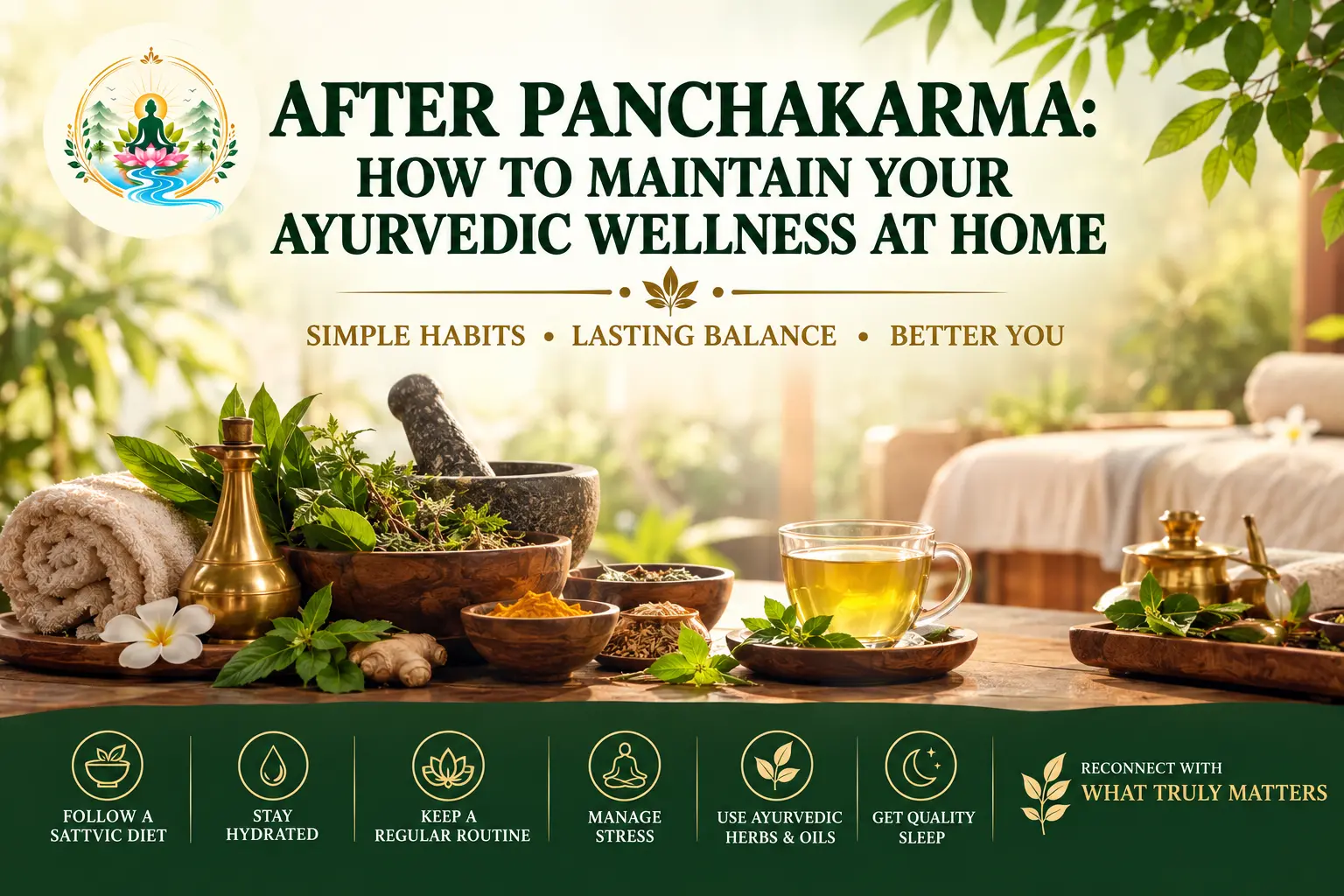
The days immediately after Panchakarma matter, but what happens in the weeks and months that follow often determines whether its benefits last. This guide focuses on the longer-term side of recovery: building a sustainable Ayurvedic routine at home once the initial aftercare period from your Panchakarma retreat in Rishikesh has passed.
Panchakarma in India is traditionally treated as a cyclical practice rather than a one-time fix, and the home routine that follows is what determines how long its effects are sustained.
Why Long-Term Routine Matters
Ayurveda views Panchakarma as a reset, not a permanent fix on its own. The daily and seasonal habits that follow are what sustain the balance it creates. Returning fully to old patterns, irregular sleep, heavy or processed food, high stress, tends to gradually bring back the same imbalance that led to treatment in the first place.
Building a Simple Dinacharya (Daily Routine) at Home
Dinacharya refers to Ayurveda’s daily routine practices. A few of the most commonly sustained ones at home include
Waking and Sleeping at Consistent Times – Ayurveda places significant emphasis on regular sleep-wake timing, generally recommending waking before sunrise and avoiding late nights where possible.
Warm Water in the Morning – Morning warmth Starting the day with warm water is a widely practiced Ayurvedic habit believed to support digestion.
Self-Massage (Abhyanga) at Home – A simplified version of the oil massage received during treatment can be continued at home using a warm oil suited to your dosha, typically a few times a week rather than daily.
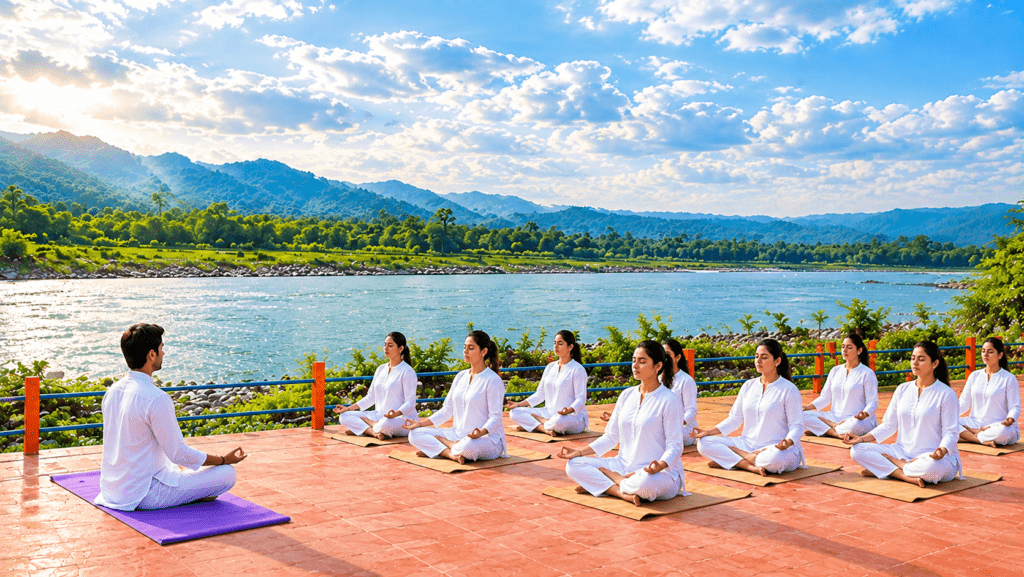
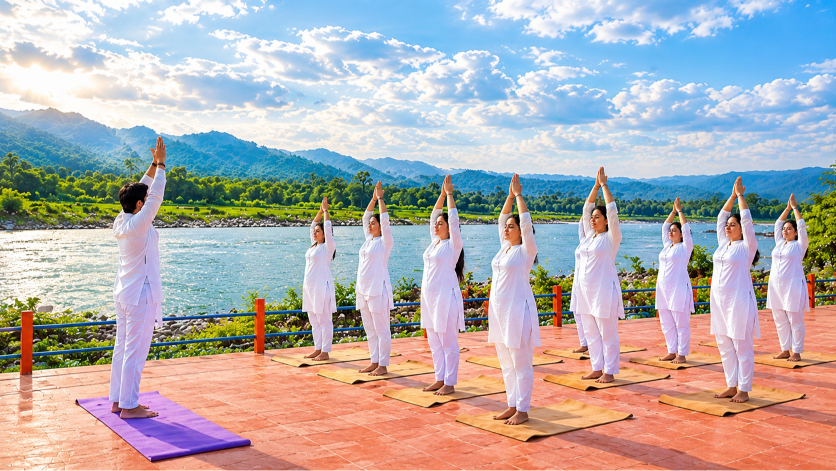
Daily Movement and Breathing Practice – Continuing gentle yoga and pranayama (breathing exercises), even briefly, helps maintain the nervous system benefits gained during treatment.
Eating at Regular Times – Ayurveda associates irregular eating times with digestive imbalance. Keeping consistent meal times, rather than skipping meals or eating very late, is considered part of maintaining results.
Diet Habits Worth Sustaining
- Favoring warm, freshly prepared meals over cold or heavily processed food.
- Eating the largest meal around midday, when digestion is considered strongest.
- Reducing excess caffeine, alcohol, and late-night eating
- Including seasonal, fresh produce where possible.
These don’t need to be followed rigidly. Many guests find it more sustainable to apply them most of the time, rather than treating them as strict rules.
Herbs: What’s Safe for Home Use
Some Ayurvedic herbs, such as Ashwagandha or Brahmi, are commonly continued at home after a retreat, but dosage and suitability should be confirmed with your Ayurvedic doctor rather than self-prescribed, particularly if you take other medication. Herbs used during in-clinic procedures like Basti or Virechana are not intended for ongoing home use without supervision.
Adapting Routine to the Seasons
In the Ayurvedic tradition it is believed that the doshas change with the weather and time of the year, so the diet and lifestyle change with the seasons. Broadly
- Warmer months – often call for lighter, cooling foods and reduced heavy or oily meals
- Colder months often call for warmer, more grounding meals and oils suited to drier weather
- Transitional seasons – are traditionally considered a common time to consider a shorter seasonal Panchakarma reset
Signs It May Be Time for Another Panchakarma Session
Over time, some guests notice early signs that Panchakarma’s effects have gradually diminished, such as returning sleep issues, lower energy, or digestive changes. This is viewed in Ayurveda as a normal cycle rather than a failure of the original treatment, which is why many guests return to an Ayurvedic wellness retreat in Rishikesh for a shorter seasonal Panchakarma program, commonly every six to twelve months, as part of an ongoing wellness routine.
A Note on Safety
This guide reflects general Ayurvedic principles for home maintenance and is not a substitute for personalized medical advice. If you have an existing medical condition or are on prescription medication, consult your doctor before starting or continuing any herb, diet, or routine change at home.
Frequently Asked Questions
How long do the benefits of Panchakarma usually last?
This varies person to person and also depends a lot on the daily routine followed thereafter.A home routine usually helps in maintaining results longer.
Can I continue Ayurvedic herbs at home without a doctor?
Some commonly used herbs may be continued with guidance, but dosage and suitability should be confirmed with an Ayurvedic doctor, especially if you take other medication.
How often should Panchakarma be repeated?
Many practitioners suggest every six to twelve months as a seasonal reset, though this depends on individual health and goals.
Do I need special equipment for self-massage (Abhyanga) at home?
No. A suitable warm oil and a few extra minutes before bathing is generally sufficient to continue a simplified version of this practice at home.