
Almost everyone who starts researching an Ayurvedic wellness retreat in Rishikesh asks the same thing before anything else: what will it actually cost? It is a fair question, and the honest answer is that prices vary a great deal from one retreat to the next. Two packages that both say 7 days can include very different things.
This guide explains what drives the price, what a package usually covers, and what to ask before you pay a deposit, so you can compare options properly instead of comparing numbers alone.
Why Prices Vary So Much
A retreat is not a hotel stay with a massage added on. Several separate things are bundled into one price, and each one can differ widely.
The first is how involved the doctor is. At some places a qualified Ayurvedic doctor sees you at arrival, adjusts your plan as the days go on, and reviews your progress. At others, the consultation is a short form and a fixed schedule. Real medical involvement costs more to provide, and it is one of the biggest differences between retreats that look similar on paper.
The second is the therapies themselves. Daily oil massages, Shirodhara, and a full panchakarma treatment sequence need trained therapists, medicated oils and herbs, and time. A program built around a complete Panchakarma course is more resource-intensive than one offering a few massages.
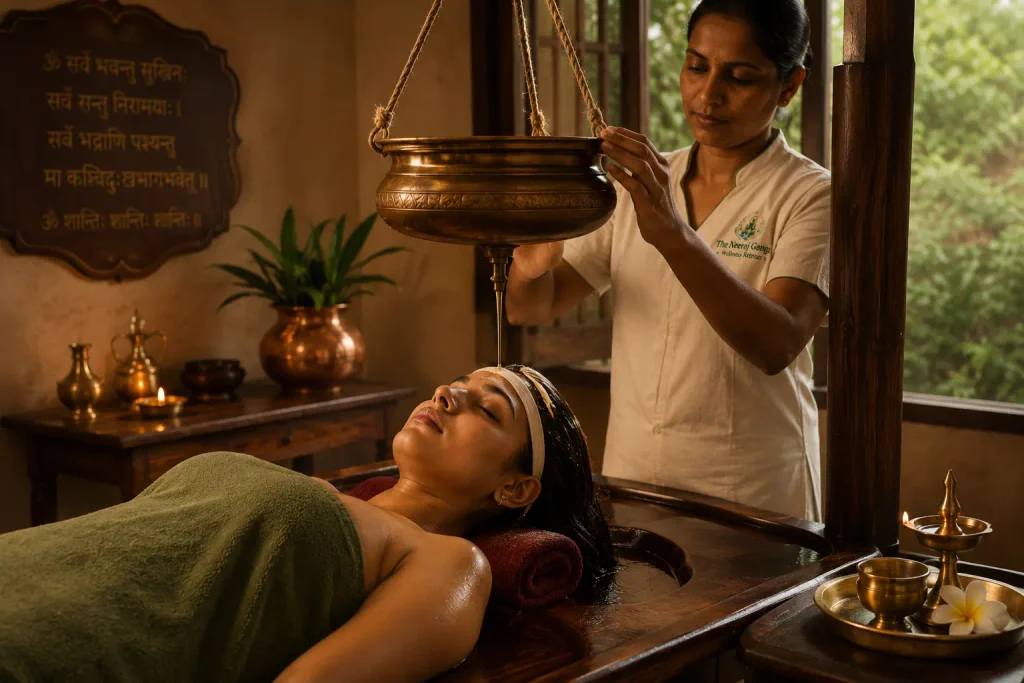
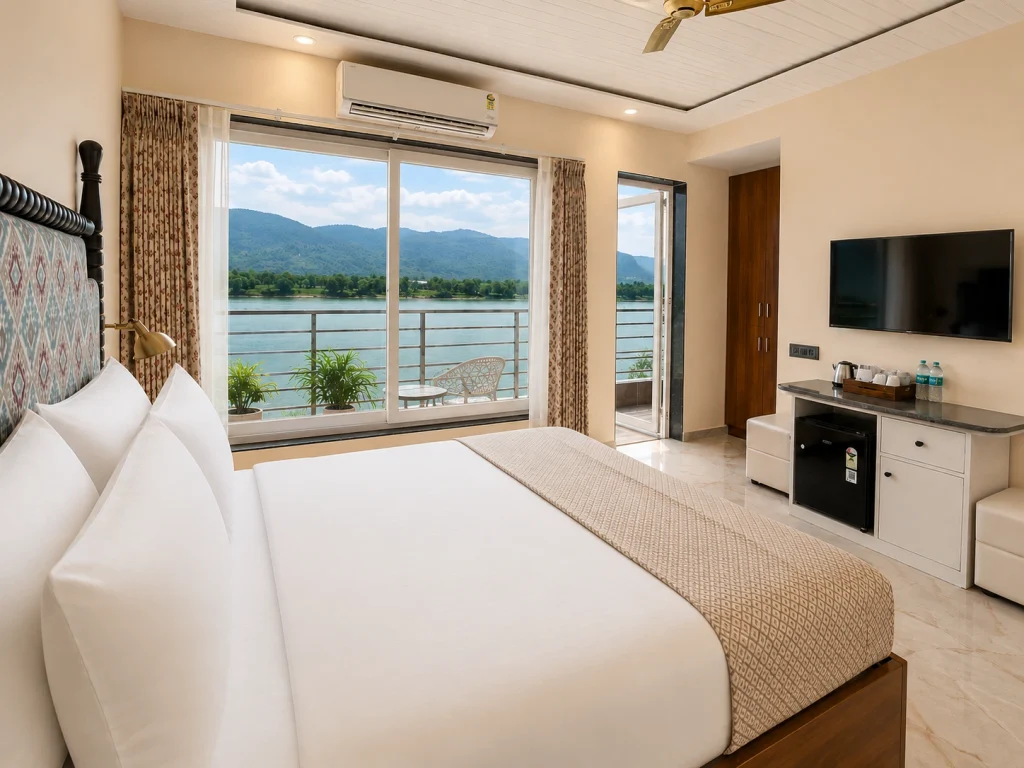
The third is accommodation and setting. A simple room away from the river and a room with a Ganga view are priced differently, and so is single versus double occupancy. Location matters too. Staying close to the river in Rishikesh usually costs more than staying further out.
The fourth is food and the rest of the daily program. Satvik meals, yoga, meditation, and sound healing may or may not be part of the price, depending on the retreat.
What a Package Usually Includes
Most Ayurvedic retreat packages cover some combination of the following:

- A doctor consultation at the start
- Daily Ayurvedic therapies suited to your plan
- Yoga and meditation sessions
- Meals, usually vegetarian or Satvik
- Accommodation for the length of your stay
Many also add things like sound healing, guided evening practices, or nature walks. These extras are worth noticing, because they are often what separates a package that feels complete from one that feels thin.
What Is Often Not Included
This is where unpleasant surprises tend to happen, so it is worth asking about each of these directly:
- Flights, trains, and transfers to Rishikesh
- Herbs, medicines, or oils you take home afterward
- Treatments beyond what your plan covers
- Laundry, taxes, and personal expenses
- Excursions outside the retreat
None of these is unusual, but a clear retreat will tell you upfront which ones apply.
How Duration Changes the Cost
Programs usually run from about three days to ten. A short stay works well as an introduction or a reset after a stressful period. A longer stay gives a fuller Panchakarma course more time to work, since the therapies are traditionally sequenced and each stage prepares the body for the next.
Longer is not automatically better. If your goal is to try Ayurveda for the first time or to rest, a shorter program can be the right choice. If you are looking for a deeper detox, your doctor will often recommend more days.
Room Type and Occupancy
This is the easiest part of the price to control. Sharing a room is usually cheaper per person than staying alone, and a standard room costs less than one with a river view or a larger layout. Treatment is generally the same whichever room you choose, so if budget matters, you can usually save on the room without reducing the therapy.
Does a Higher Price Mean Better Treatment?
Not necessarily. A high price can reflect a great location or luxury rooms rather than stronger medical care. What matters more is whether the plan is built around you.
A good sign is a retreat that asks about your health history, medications, and goals before recommending anything, and that is open about who a treatment is not suitable for. Panchakarma, for example, is not appropriate for everyone, including some people who are pregnant or managing certain medical conditions. A retreat that agrees to anything without asking questions deserves a second look.
Questions to Ask Before You Book
A few direct questions will tell you more than the price will:
- Will I see an Ayurvedic doctor, and when?
- Is my plan personalized, or is it the same for every guest?
- Exactly which therapies are included each day?
- Are meals, yoga, and meditation part of the price?
- Is the rate per person or per room?
- What is not included?
- What is the cancellation and refund policy?
A Realistic Way to Budget
It helps to think in terms of the whole trip rather than the package alone. Add travel to Rishikesh, any transfers, a small buffer for personal spending, and the cost of anything you might want to take home.
One more point on honesty. Because a doctor adjusts therapy to each person, the package you booked and the plan you end up following can differ slightly. That is normal in genuine ayurvedic treatment in Rishikesh, India, and it is a reason to confirm what is flexible before you arrive.
Frequently Asked Questions
Is a longer stay always better value?
Not always. The right length depends on your goal. A shorter program can suit a first visit or a gentle reset, while a deeper detox generally needs more days.
Are the therapies the same in every room category?
In most retreats the treatment plan does not depend on the room. The room type affects comfort and setting, so it is often the simplest way to adjust your budget.
Why do two retreats with the same number of days cost different amounts?
The difference usually comes from doctor involvement, the number and type of therapies, accommodation, location, and what the package includes.
Should I disclose my health conditions before booking?
Yes. Share your health history, any medication, and any pregnancy before you book, so the doctor can confirm what is appropriate and adjust the plan.
Do prices change?
Yes, rates can change by season and over time, so confirm current prices directly with the retreat before you plan.
Choosing With Confidence
The cost of an Ayurvedic retreat makes more sense once you see what sits behind the number: the doctor’s time, the therapies, the room, the food, and the setting. Compare those, not just the total, and ask the questions above before you commit.
If you would like a reference point, The Neeraj Ganga Wellness Retreat offers programs of 3, 5, 7, and 10 days, and each package includes a doctor consultation, daily Ayurvedic therapies, yoga and meditation, sound healing, Satvik meals, and the copper bath ritual. Rates depend on the room and occupancy, with starting rates from ₹54,000 for a 3-day stay in a Premium Deluxe Room (single occupancy) up to ₹2,80,000 for a 10-day stay in a Pent House Ganga View room (double occupancy). Prices can change, so please confirm current rates before booking. To learn more, visit The Neeraj Ganga Wellness Retreat.