When your knees feel stiff on the stairs or your fingers ache after an ordinary day, even a short holiday can feel difficult to plan. You may want somewhere peaceful to rest, but you also want to know whether the activities will suit your joints. That is why people searching for Ayurvedic Arthritis Treatment in Rishikesh often need more than a spa brochure. They need an honest explanation of what a wellness retreat offers, what it cannot promise, and how to choose a safe, personalized stay.
At The Neeraj Ganga Wellness Retreat, traditional Ayurvedic therapies, yoga, meditation, Satvik dining and doctor consultations are part of a riverside wellness experience. Guests interested in joint comfort can enquire about the existing Chronic Pain Management programme and discuss a suitable routine with the retreat team. The experience is intended to complement appropriate medical care, not replace diagnosis, medicines or specialist treatment.
Quick answer: An arthritis-focused Ayurvedic wellness retreat combines individual assessment, traditional body therapies, suitable movement and restorative daily routines. These experiences may support relaxation and general well-being, but Ayurveda has not been proven to cure arthritis, and the most appropriate medical treatment depends on the type of arthritis you have.
This guide explains the difference between common arthritis conditions, the therapies shown in the retreat’s treatment menu, and how its 3, 5, 7 and 10-day packages may fit your travel plans.
Understanding Arthritis: Why the Right Diagnosis Comes First
Arthritis is a broad term for conditions affecting joints. Joint pain, swelling, reduced movement and stiffness may sound similar from person to person, but their causes can be very different. That distinction matters before booking massages, warm-oil treatments or exercise sessions.
Osteoarthritis and everyday joint stiffness
Osteoarthritis often affects the knees, hips, hands or other joints. It involves changes in the joint tissues and may cause pain during movement, stiffness after rest and difficulty with activities such as walking or climbing stairs. Symptoms vary widely. Some people remain active with adjustments to their routine, while others need physiotherapy, medicine or specialist care.
Clinical guidance from the US National Institute of Arthritis and Musculoskeletal and Skin Diseases and NICE emphasizes tailored therapeutic exercise, education and, when appropriate, weight management as central parts of osteoarthritis care. A wellness trip can create time for these habits, but it does not replace a lasting home-care plan.
Rheumatoid arthritis needs medical management
Rheumatoid arthritis is an inflammatory autoimmune condition. It may affect several joints, often with prolonged morning stiffness, warmth or swelling. Early medical diagnosis and disease-modifying medicines can reduce the risk of lasting joint damage. A retreat, herbal massage or detox programme is not a substitute for these medicines. If rheumatoid arthritis is suspected or diagnosed, consult your rheumatologist before arranging additional therapies.
This is one reason to be cautious about online promises of “permanent arthritis cure.” A trustworthy Ayurvedic Treatment for Joint Pain discussion should begin with your diagnosis and current care rather than claiming one therapy works for everyone.
How Ayurveda Fits Into a Joint Pain Wellness Plan
Ayurveda is a traditional Indian system of well-being that considers food, daily routines, rest, movement and therapeutic practices together. In traditional Ayurvedic terminology, practitioners may discuss concepts such as Vata and individualized constitution. These ideas are part of Ayurveda’s historical framework, but they are not equivalent to modern medical diagnoses of osteoarthritis or rheumatoid arthritis.
For someone exploring Ayurvedic Arthritis Treatment in Rishikesh, the value of a retreat may be the chance to slow down and create a manageable routine. A guest might spend the morning doing a gentle, adapted movement session, discuss daily comfort with a practitioner, enjoy planned meals and allow enough time for rest. The therapies selected should match their health history and be reviewed for suitability.
Research into Ayurvedic approaches for osteoarthritis is still limited. The US National Center for Complementary and Integrative Health notes that some small studies suggest possible symptom benefits from certain Ayurvedic preparations, but the evidence is not strong enough to justify broad claims. Some herbal products can also contain harmful heavy metals or interact with medicines.
That means a sensible plan can include traditional wellness practices while keeping evidence-based arthritis treatment in place. No guest should be encouraged to stop prescribed medicine, postpone a rheumatology appointment or use unverified herbal supplements.
Ayurvedic Therapies Listed at The Neeraj Ganga Wellness Retreat
The retreat’s Ayurvedic treatment menu includes several therapies traditionally associated with relaxation, comfort or bodywork. Their presence on the menu does not mean they are automatically suitable for every guest with joint pain. The treating practitioner should consider current inflammation, skin conditions, circulation problems, medication and other medical factors before recommending a session.

Janu Vasti: A traditional warm-oil knee-area therapy
Janu Vasti is a localized Ayurvedic procedure in which a ring-shaped boundary is prepared around the knee area and warm medicated oil is retained for a period. The retreat’s menu groups it with Kati Vasti and Greeva Vasti, which are traditionally directed at the lower back and neck regions.
People seeking Ayurvedic therapy for knee stiffness may be curious about Janu Vasti because it focuses on one area rather than the whole body. However, controlled evidence that Janu Vasti changes arthritis progression or repairs damaged cartilage is lacking. Warm oil is not suitable for every swollen, hot or acutely painful joint, so ask a qualified clinician before trying it.
Pinda Swedan: Warm herbal bolus therapy
Pinda Swedan uses warmed herbal bundles in a traditional bodywork session. The retreat’s menu describes it in the context of stiffness, muscular tension and pain-management traditions. Depending on the individual, this may be considered as a comfort-focused treatment, with heat and pressure adjusted carefully.
It should not be presented as a proven method of reducing autoimmune inflammation or reversing joint damage. If your joints are acutely inflamed, recently injured or unusually sensitive, seek medical advice before any heating treatment.
Abhyanga: Ayurvedic oil massage
Abhyanga is a full-body oil massage traditionally used to encourage relaxation. Many guests choose it as part of a general wellness routine rather than a specific medical intervention. Gentle touch may feel comforting, but pressure should be adapted when joints are tender, and massage should be avoided over actively inflamed or injured areas unless a clinician approves it.
The retreat already has a detailed guide to what an Abhyanga Ayurvedic oil massage involves. Reading that article before your visit can help you understand the session and prepare questions for your consultation.
Pizhichil and other traditional oil therapies
Pizhichil is a traditional warm-oil therapy included in the supplied treatment menu. It involves warm oil applied across the body in a structured session. For some guests, the appeal is the quiet, restorative nature of the experience rather than any promise of disease treatment.
Heat, oils and lengthy bodywork may be unsuitable for particular conditions. Mention allergies, medicines, skin sensitivities and any recent health changes before booking. The wellness team can explain which services are actually available during your chosen stay.
Physiotherapy and therapeutic movement
The treatment menu also lists physiotherapy. This is particularly relevant because appropriate therapeutic exercise is a core part of osteoarthritis management. A qualified physiotherapist can help assess movement, strength and everyday activities, then recommend exercises that suit your condition.
Physiotherapy should not be confused with passive massage. Gradually building strength and movement tolerance can matter long after a holiday ends. If you are evaluating a Joint Pain Management Retreat in Rishikesh, ask whether physiotherapy is included in your personalized programme, who delivers it, and whether you will receive a practical follow-up plan.
Why Yoga, Movement and Rest Matter for Joint Comfort
Some people with arthritis avoid movement because they worry it will worsen their joints. That concern is understandable, especially after a painful episode. Yet complete inactivity can leave muscles weaker and movement more difficult. Current guidance supports appropriately tailored movement, while recognizing that the right amount and type will vary.
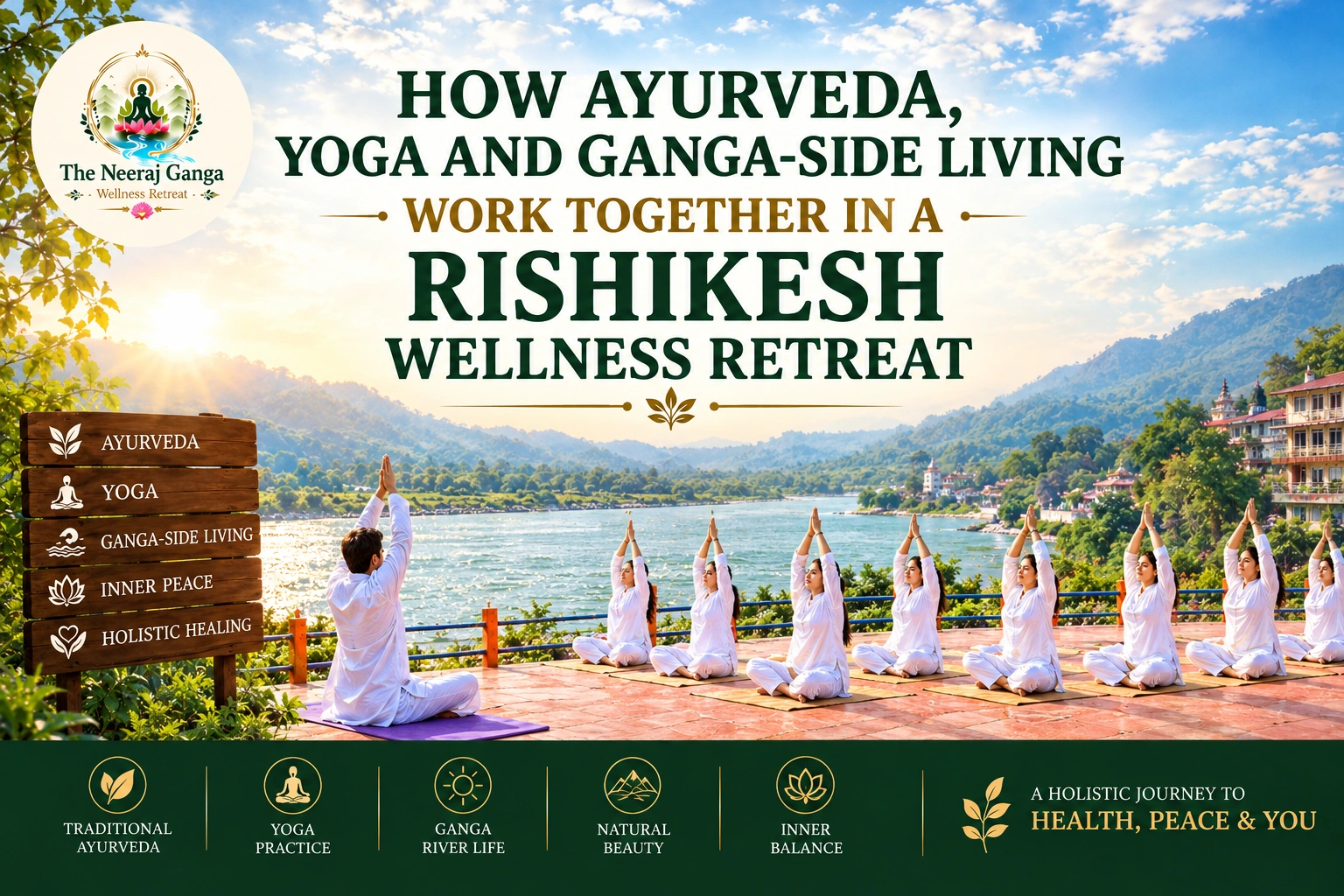
Gentle yoga may offer a structured way to practice breathing, balance and comfortable motion, provided the poses are adapted. A guest with knee discomfort may need a chair-supported practice instead of prolonged kneeling. Someone with painful wrists may need alternatives to hands-and-knees positions. There should be no pressure to push through sharp pain or match the group instructor’s range of motion.
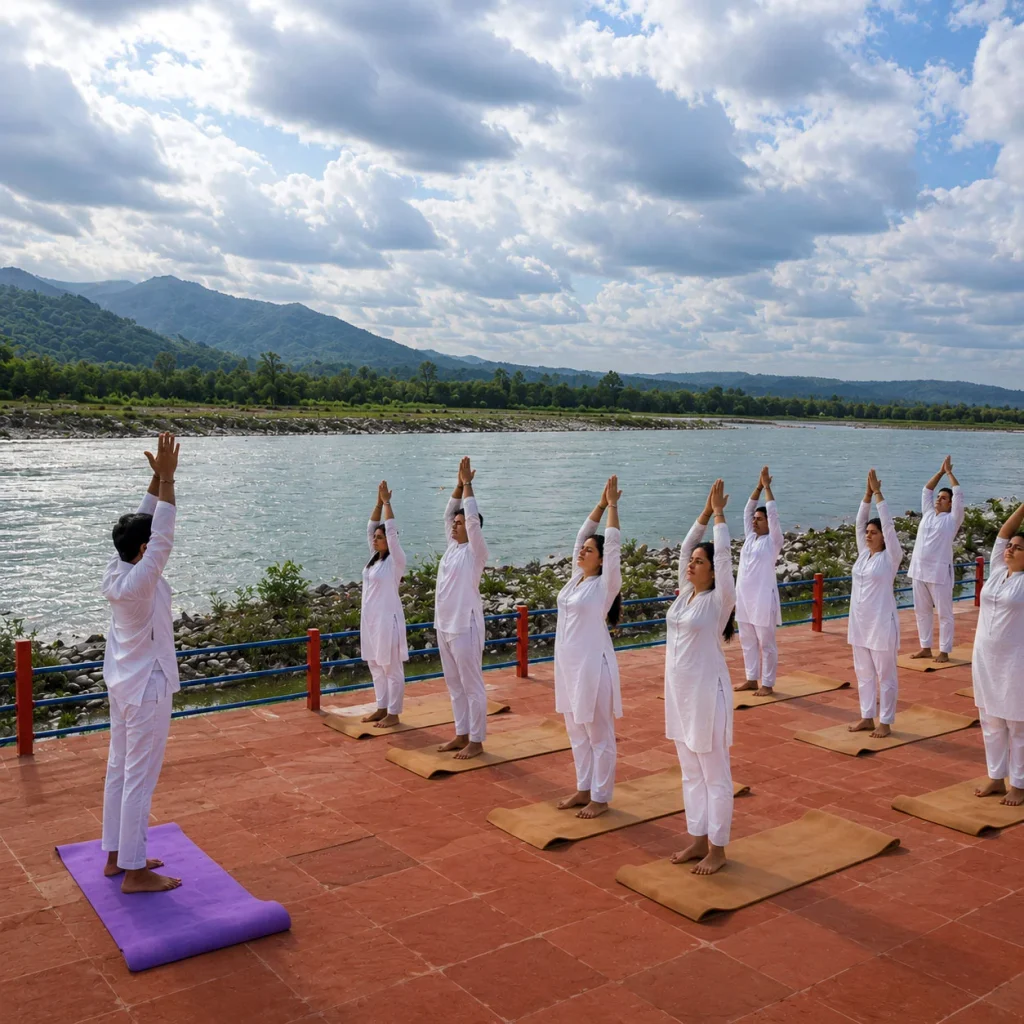
A sensible joint-friendly routine may include a short level-ground walk, simple range-of-motion exercises, rest breaks, and breathing or meditation. These are examples rather than promises of what every guest’s daily schedule includes. Your doctor or physiotherapist should approve changes when you have significant limitations.
Sleep and stress management also deserve attention. Chronic discomfort can interrupt sleep; poor rest can make the next day harder. Quiet evenings, a predictable schedule and relaxing practices may make a stay feel more manageable. This is where a wellness retreat can support the broader experience of living with a chronic condition, even when it does not treat the underlying disease.
Arthritis Wellness Packages in Rishikesh: 3, 5, 7 or 10 Days?
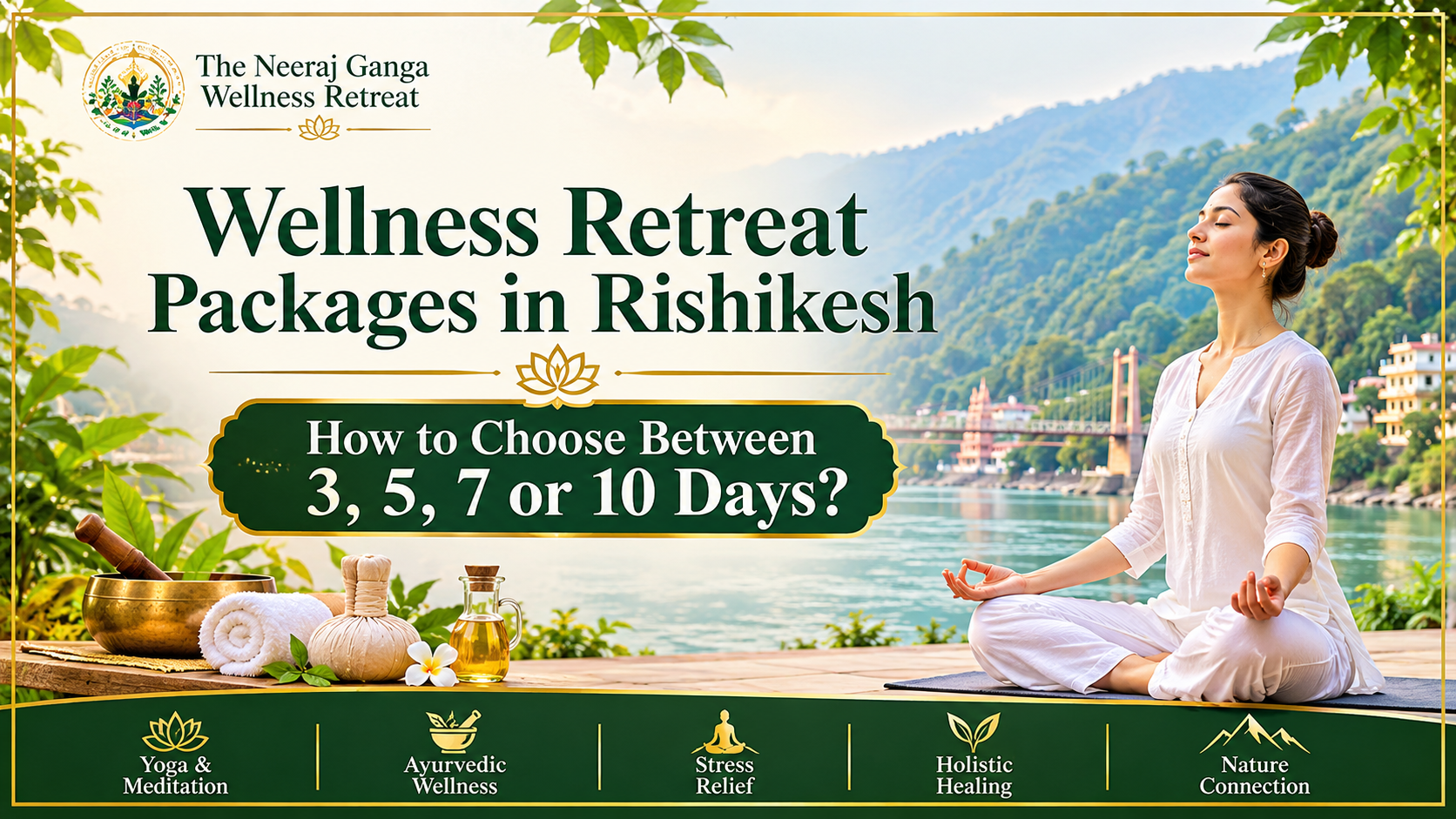
The Neeraj Ganga Wellness Retreat currently advertises four general Ayurvedic wellness packages, each including accommodation, a doctor consultation, daily Ayurvedic therapies, yoga and meditation, Satvik meals, sound healing, a copper bath ritual, nature walks or Ganga Aarti, and personalized wellness guidance. These are not advertised as separately priced arthritis-specific medical treatment packages. People researching Arthritis Wellness Packages in Rishikesh should contact the team about suitability and customization before booking.
| Published package | Listed starting price | How to think about the stay |
|---|---|---|
| 3-Day Reset | ₹57,000 onwards | A short introduction to the retreat’s wellness routine |
| 5-Day Rejuvenation | ₹95,000 onwards | More time for rest, consultation and an adapted daily schedule |
| 7-Day Renewal | ₹1,33,000 onwards | A longer immersive stay; therapy choices depend on assessment |
| 10-Day Transform | ₹1,90,000 onwards | An extended wellness experience with more time for personal routines |
These are the publicly listed starting prices for the retreat’s general packages, not quotes for arthritis care. Final rates, room category, number of guests, inclusions, tax treatment, additional services and suitability should be confirmed directly. Staying for more days does not guarantee improved arthritis symptoms.
For a full comparison, see the retreat’s wellness packages in Rishikesh and its guide to choosing between 3, 5, 7 and 10 days.
What might a personalized joint-pain stay include?
A guest could begin with a consultation and a discussion of their diagnosis, functional limits, goals and regular treatment. If appropriate, the plan may combine selected traditional body therapies, low-impact movement, relaxation sessions and a consistent daily schedule. Not every guest will be offered the same therapies, and some should avoid particular treatments entirely.
When comparing Arthritis Wellness Packages in Rishikesh, ask for a proposed written itinerary, the clinician’s credentials, the daily therapy schedule and any extra costs. A well-planned retreat should explain exclusions and safety precautions just as clearly as it describes the experiences.
What a Thoughtful Day at a Riverside Wellness Retreat May Look Like
Imagine waking up beside the Ganga, with time to get ready without rushing. The retreat’s published programmes describe morning yoga, Ayurvedic therapies, Satvik dining, meditation and spiritual experiences. For a guest with arthritis, any activity should be adjusted to mobility and medical needs rather than treated as a compulsory timetable.
A gentle morning could begin with breathing exercises or modified yoga, followed by breakfast and a consultation or planned therapy. During the day, you might rest, take an easy walk if comfortable, or discuss questions about your daily routine. In the evening, meditation or a Ganga Aarti experience may provide a peaceful change of pace. Accessibility, walking distance and transport arrangements should be checked in advance.
The retreat’s Satvik meals are part of its wellness offering, but there is no single diet proven to cure arthritis. If you have diabetes, kidney disease, food allergies or another condition requiring special nutrition, explain those needs before arrival. A healthy eating pattern should complement your doctor’s advice, not replace it.
A Joint Pain Management Retreat in Rishikesh should not be measured by how many procedures fit into one day. The goal is to find a balance of gentle activity, appropriate care and comfortable recovery time.
Why Choose The Neeraj Ganga Wellness Retreat in Rishikesh?
Location matters when you are planning time away with a chronic condition. The Neeraj Ganga Wellness Retreat is located near the Ganga in Visthapit, Rishikesh, with rooms and wellness activities described around a riverside setting. The brochure highlights Ganga and mountain-view accommodation, Ayurvedic therapies, yoga and meditation, and meals curated as part of the retreat experience.
Its Wellness Programmes page lists Chronic Pain Management among the available programme categories. This creates a relevant starting point for guests who want a calm, tailored wellness stay rather than an ordinary sightseeing holiday. It is still essential to ask which clinicians and sessions will be available for your dates and your specific joint condition.
Rishikesh also offers an atmosphere associated with yoga, reflection and the Ganga. Spiritual activities are optional personal experiences, not medical interventions. A guest who prefers to rest at the property should feel equally comfortable doing so.
If you are comparing an Ayurvedic Treatment for Joint Pain experience with a general spa holiday, look beyond the photographs. Ask about individualized assessment, appropriate movement support, accommodation accessibility and clear information about what the package actually includes.
Safety Checklist Before Booking an Arthritis Wellness Retreat
A retreat can be enjoyable, but safety should come before any therapy. Begin by telling your regular doctor or rheumatologist about the trip, especially if you have inflammatory arthritis, take immune-suppressing medicines, recently had surgery, or have significant mobility difficulties.
A Joint Pain Management Retreat in Rishikesh should make the practical details clear. Before confirming a stay, check the following:
- Diagnosis and medicines: Share your diagnosis, prescriptions, allergies and relevant reports with the retreat practitioner. Do not change or stop medicines on your own.
- Therapy suitability: Ask specifically about warm-oil procedures, massage pressure, heat, yoga poses and whether a physiotherapist is involved.
- Accessibility: Confirm stairs, lifts, bathroom layout, walking distances and access to planned activities if mobility is limited.
- What is included: Request a written confirmation of room type, consultation, therapies, meals, taxes, transfers and any additional charges.
- Follow-up: Ask for advice you can safely discuss with your existing care team after returning home.
Seek urgent medical assessment rather than booking a retreat if you develop sudden severe swelling and pain in one joint, particularly with fever, warmth or redness. New or worsening inflammatory arthritis symptoms also need prompt professional evaluation.
You should be particularly careful about any practitioner promising an arthritis cure, instructing you to stop disease-modifying medicines or selling unverified herbal remedies without safety information. “Natural” does not automatically mean safe.
Questions to Ask Before You Select a Package
The booking conversation is your opportunity to find out whether the retreat actually matches your needs. Describe which joints trouble you, whether stairs are difficult, and whether you need help with daily activities. Mention if you are looking mainly for relaxation, appropriate movement support or information about traditional Ayurvedic practices.
Ask the team to explain who conducts the initial consultation and how a proposed plan would be adjusted if a therapy makes you uncomfortable. If you are interested in Janu Vasti, Pinda Swedan or physiotherapy, confirm that the specific service is available during your stay. Do not assume a therapy listed on a standalone treatment menu is included in every package.
You can also ask whether your accommodation offers the views and access you prefer, and whether the daily schedule leaves enough time for rest. A good Arthritis Wellness Packages in Rishikesh enquiry is specific: it tells the team about your limitations and asks them to explain a realistic, individualized wellness experience.
Frequently Asked Questions About Ayurvedic Arthritis Treatment in Rishikesh
Can Ayurveda cure arthritis permanently?
No Ayurvedic therapy has been proven to cure arthritis permanently. Osteoarthritis and rheumatoid arthritis require different medical care, and rheumatoid arthritis may need disease-modifying medicines to prevent joint damage. An Ayurvedic wellness retreat may offer relaxation and supportive routines, but it should not replace diagnosis or prescribed treatment.
Is Ayurvedic treatment for joint pain suitable for knee osteoarthritis?
Some traditional therapies may be considered as complementary comfort-focused experiences after medical assessment, but they are not proven to rebuild cartilage or stop osteoarthritis. Evidence-based management typically includes tailored exercise and other measures recommended by your clinician. Ask the retreat team about accessibility, therapy suitability and whether physiotherapy is available.
Which Ayurvedic therapies are available for joint pain at the retreat?
The supplied menu lists Janu Vasti, Pinda Swedan, Abhyanga, Pizhichil and physiotherapy, among other services. Their availability and suitability during a specific stay should be confirmed directly. The practitioner may advise against some therapies depending on your symptoms, medical conditions or current medicines.
Are there 3, 5, 7 and 10-day arthritis wellness packages in Rishikesh?
The Neeraj Ganga Wellness Retreat publishes general 3, 5, 7 and 10-day Ayurvedic wellness packages, and separately lists Chronic Pain Management as a programme. It does not publicly present those standard starting rates as an arthritis-specific treatment schedule. Contact the team to discuss a customized stay, what is included and the final quote.
Can someone with rheumatoid arthritis join a wellness retreat?
They may be able to enjoy a suitable wellness holiday after advice from their treating clinician, but they should keep taking prescribed medicines and avoid inappropriate heat or manipulation during an active flare. Rheumatoid arthritis needs ongoing specialist medical management. Provide the retreat team with relevant medical information before making a booking.
What should I bring for a joint pain wellness retreat in Rishikesh?
Bring your medication list, relevant reports, comfortable walking shoes, suitable clothing and any mobility aids you usually use. Ask the property about access arrangements and whether activities require steps or long walks. Do not rely on a retreat to supply specialist medical equipment unless that has been explicitly confirmed.
Key Takeaways
- Ayurvedic Arthritis Treatment in Rishikesh should be presented as complementary wellness support, not a cure for osteoarthritis or rheumatoid arthritis.
- The Neeraj Ganga Wellness Retreat lists Chronic Pain Management and offers a range of traditional therapies that require individual suitability checks.
- Appropriate movement, education and clinical care remain important parts of evidence-based arthritis management.
- The retreat’s published 3, 5, 7 and 10-day prices apply to general wellness packages, not confirmed arthritis-specific plans.
- A useful booking conversation covers diagnosis, regular medicines, accessibility, included therapies and realistic expectations.
Plan a Personalized Joint Pain Wellness Stay in Rishikesh
Living with joint discomfort can make travel decisions feel complicated. The right retreat should make those decisions easier, not add pressure through exaggerated health promises. If the riverside setting, guided daily routine and traditional wellness experiences at The Neeraj Ganga Wellness Retreat appeal to you, begin with a conversation about your needs rather than choosing therapies from a list.
Explore the Chronic Pain Management programme, review the published wellness packages, and contact the retreat to ask about a personalized consultation and stay. You can also call +91 86799 29366 or +91 86799 29367.
A carefully planned wellness break can create space for rest, reflection and manageable daily habits. Your established arthritis treatment should continue alongside it, with your regular clinician guiding medical decisions.
Medical disclaimer: This article is educational and describes available wellness services. It does not provide a diagnosis, claim a cure, or replace advice from a doctor or rheumatologist. Treatment suitability must be assessed individually. A qualified medical reviewer should approve this article before publication.