Panchakarma is one of the most recognized traditional approaches within Ayurveda, and also one of the most inconsistently offered. Search for a Panchakarma retreat in India and you’ll find everything from a genuine, doctor-led, multi-day programme to a single spa treatment borrowing the name. Knowing the difference matters before you book, not after.
What Panchakarma Actually Is
Panchakarma comes from two Sanskrit words: Pancha, meaning five, and Karma, meaning actions or procedures. In classical Ayurveda, it refers to five categories of therapeutic purification procedures.
For thousands of years, Ayurveda has recommended Panchakarma as one of the most comprehensive natural detoxification and rejuvenation therapies. Rather than simply relieving symptoms, Panchakarma aims to restore balance, improve vitality, and support the body’s natural healing processes.
The Five Classical Panchakarma Procedures
Vamana
Vamana is a supervised procedure traditionally used to address Kapha-related conditions. It requires a qualified Ayurvedic practitioner to determine suitability, it isn’t appropriate for every guest.
Virechana
Virechana, a therapeutic purgation procedure, is associated with Pitta-related imbalances and requires the same level of professional assessment and supervision.
Basti
Basti involves the administration of medicated preparations through the rectal route and holds particular importance in Ayurvedic approaches to Vata-related conditions.
Nasya
Nasya involves administering specific preparations through the nasal passages, traditionally used for conditions concerning the head and neck region.
Raktamokshana
Raktamokshana, a specialized procedure involving controlled bloodletting, is limited in application and only considered in specific circumstances under qualified supervision.
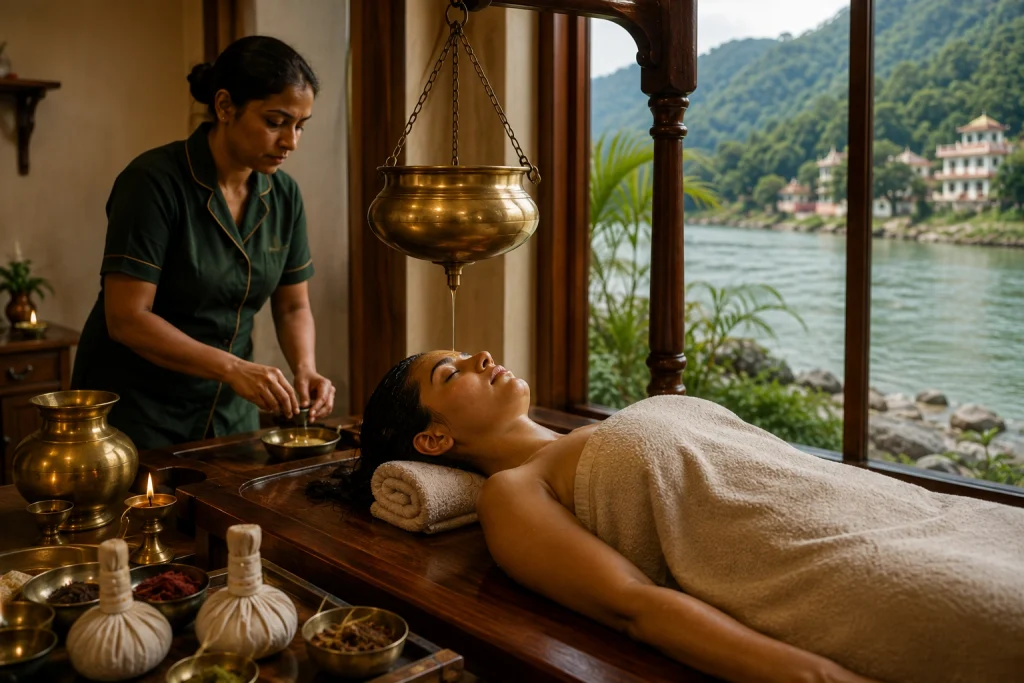
Not every guest receives all five. This is the defining feature of genuine Panchakarma, the procedures are selected, not applied as a checklist.
What a Panchakarma Retreat in India Actually Includes
A genuine retreat brings several elements together, not just isolated therapy sessions:
An Ayurvedic consultation that shapes everything else. Personalized wellness planning based on that consultation. Named, specific Ayurvedic therapies, not a generic “Panchakarma package.” Yoga and pranayama as a complementary daily structure. Meditation and dedicated quiet time. Satvik meals prepared to support the treatment itself. Practical lifestyle and daily-routine guidance to continue after departure. Accommodation and an environment that genuinely supports rest.
The exact combination differs between retreats, which is exactly why reviewing the actual programme, not just the word Panchakarma on a brochure, matters before booking anywhere.
Why Rishikesh, Specifically
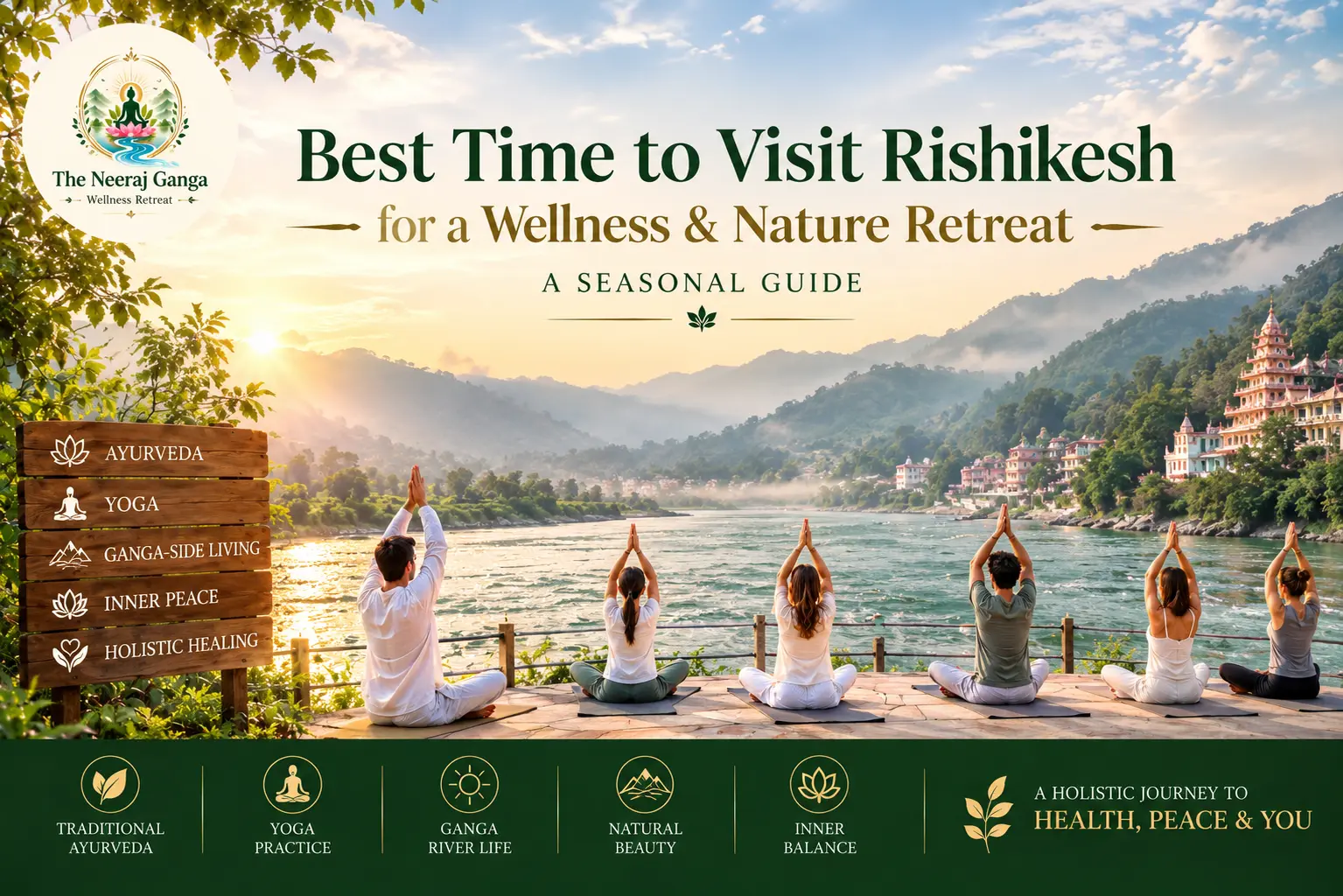
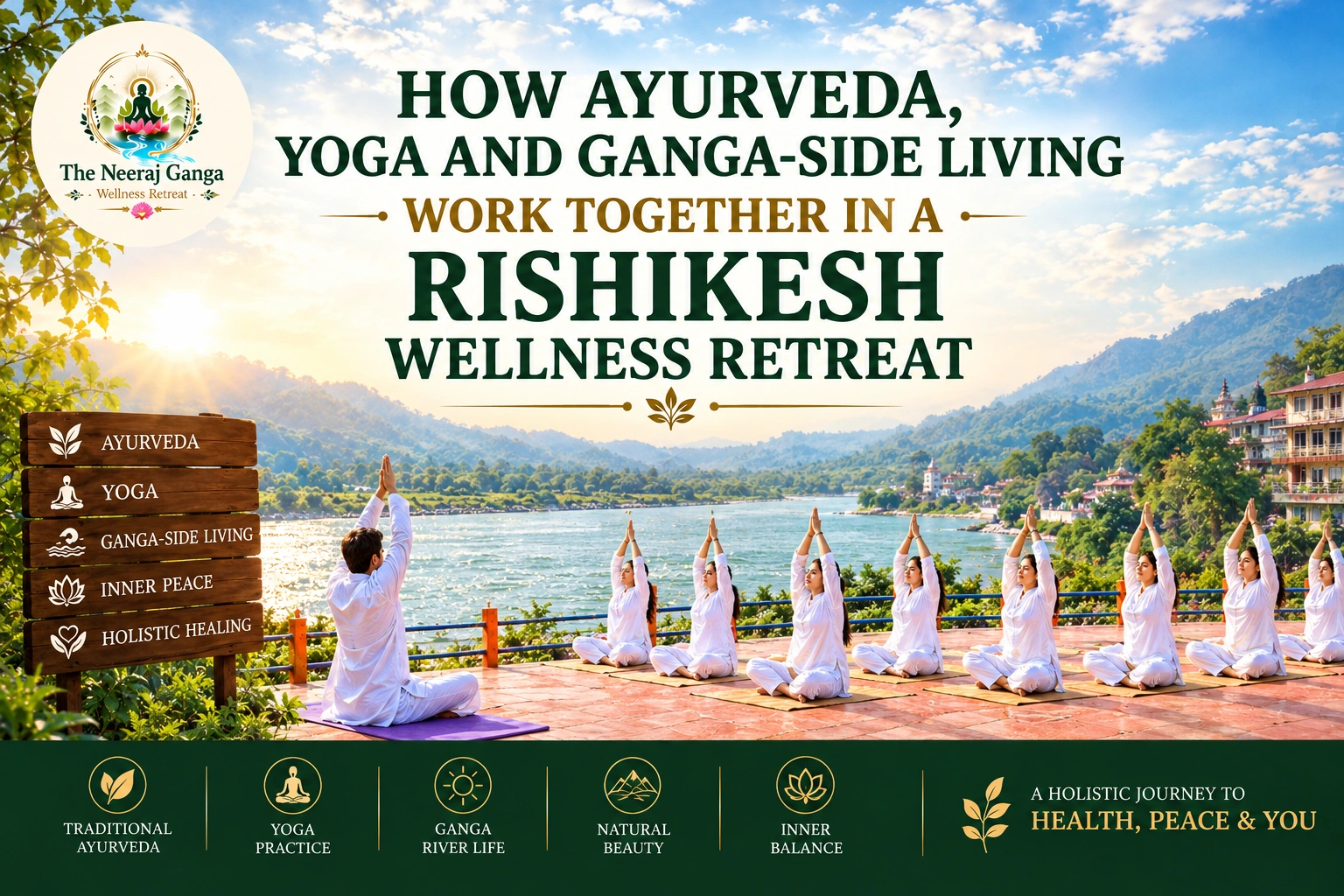
Ayurveda and yoga developed alongside each other here. Rishikesh’s international reputation for yoga isn’t separate from its Ayurvedic tradition, the two have evolved together in this region for generations, creating a genuinely integrated experience rather than two practices offered side by side.
The Ganga plays an active role, not a decorative one
Time spent near flowing water has a real, documented calming effect on the nervous system, this is part of why riverside retreats function differently than an Ayurvedic centre in a city hotel offering identical therapies.
The Himalayan environment removes you from the habits that work against treatment.
Genuine distance from your usual routine, noise, and constant stimulation is part of what makes multi-day Ayurvedic treatment effective, not incidental to it.
This is a continuous tradition, not a recent addition.
Rishikesh’s wellness ecosystem, practitioners, ashrams, and Ayurvedic centres, developed over generations, which is why it remains a genuine destination for Ayurveda, not only for Panchakarma specifically.
What a Panchakarma Programme Actually Looks Like
Consultation first.
Your practitioner discusses your lifestyle, health history, and wellness goals before recommending anything. This assessment determines everything that follows.
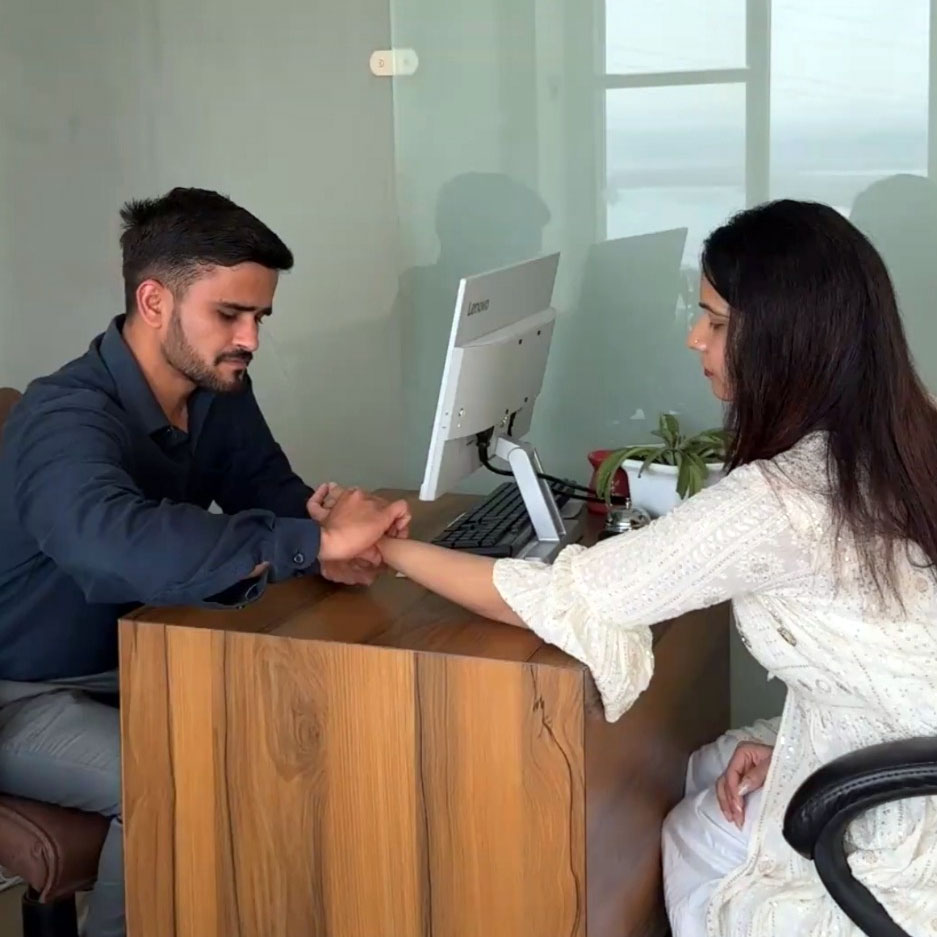
A programme built from that assessment.
Selected therapies, dietary guidance, yoga, and meditation, shaped by your consultation, not a fixed template applied to every guest.
Named therapies.
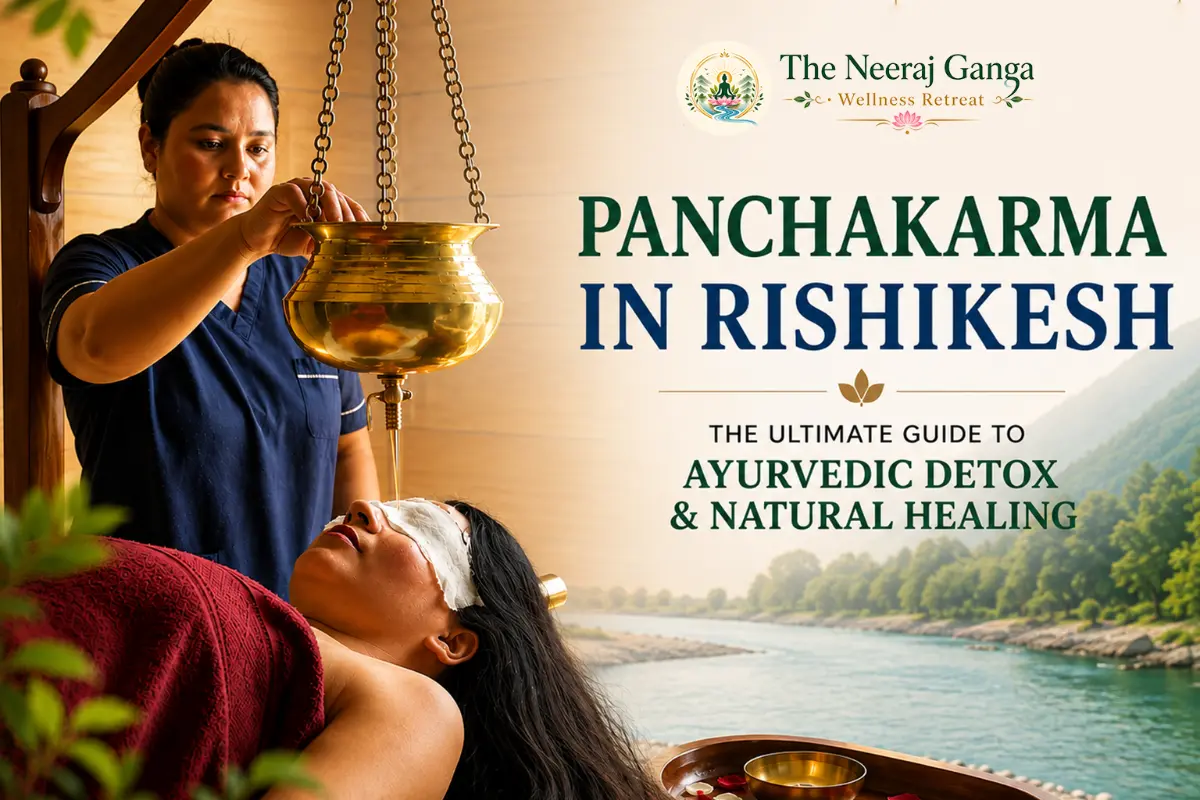
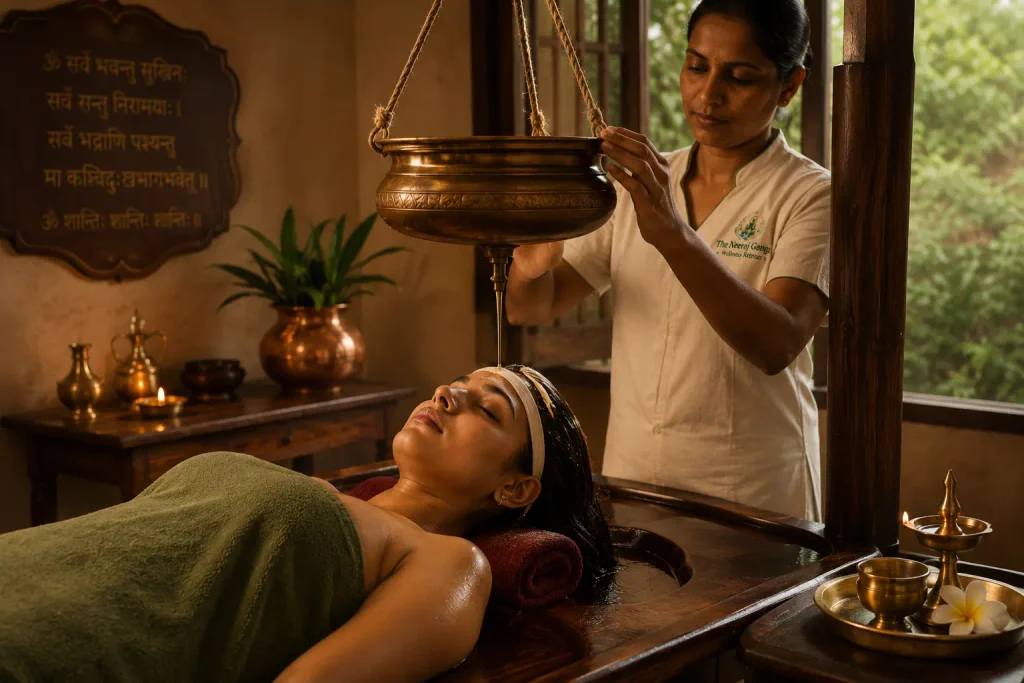
Abhyanga, Shirodhara, Swedana, or other procedures, chosen because they’re appropriate for you specifically. If a retreat can’t name what you’re actually receiving and why, that’s worth questioning
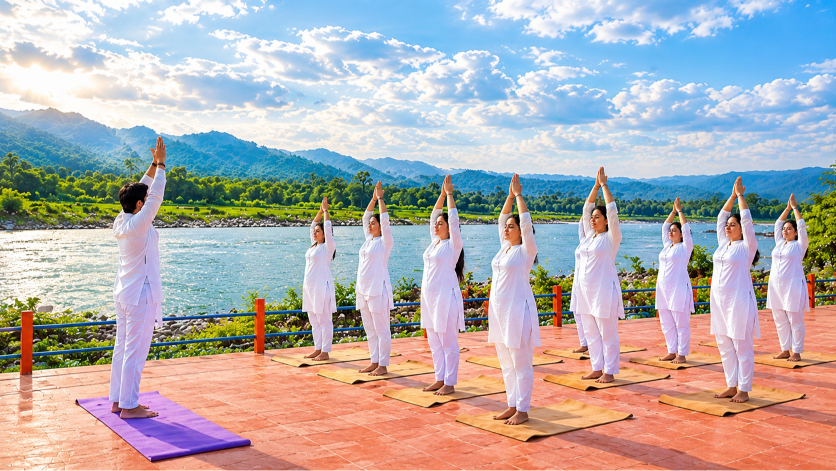
Daily yoga and pranayama.
At a Rishikesh retreat, morning practice often takes place riverside, adding the environment’s calming effect to the physical practice itself.
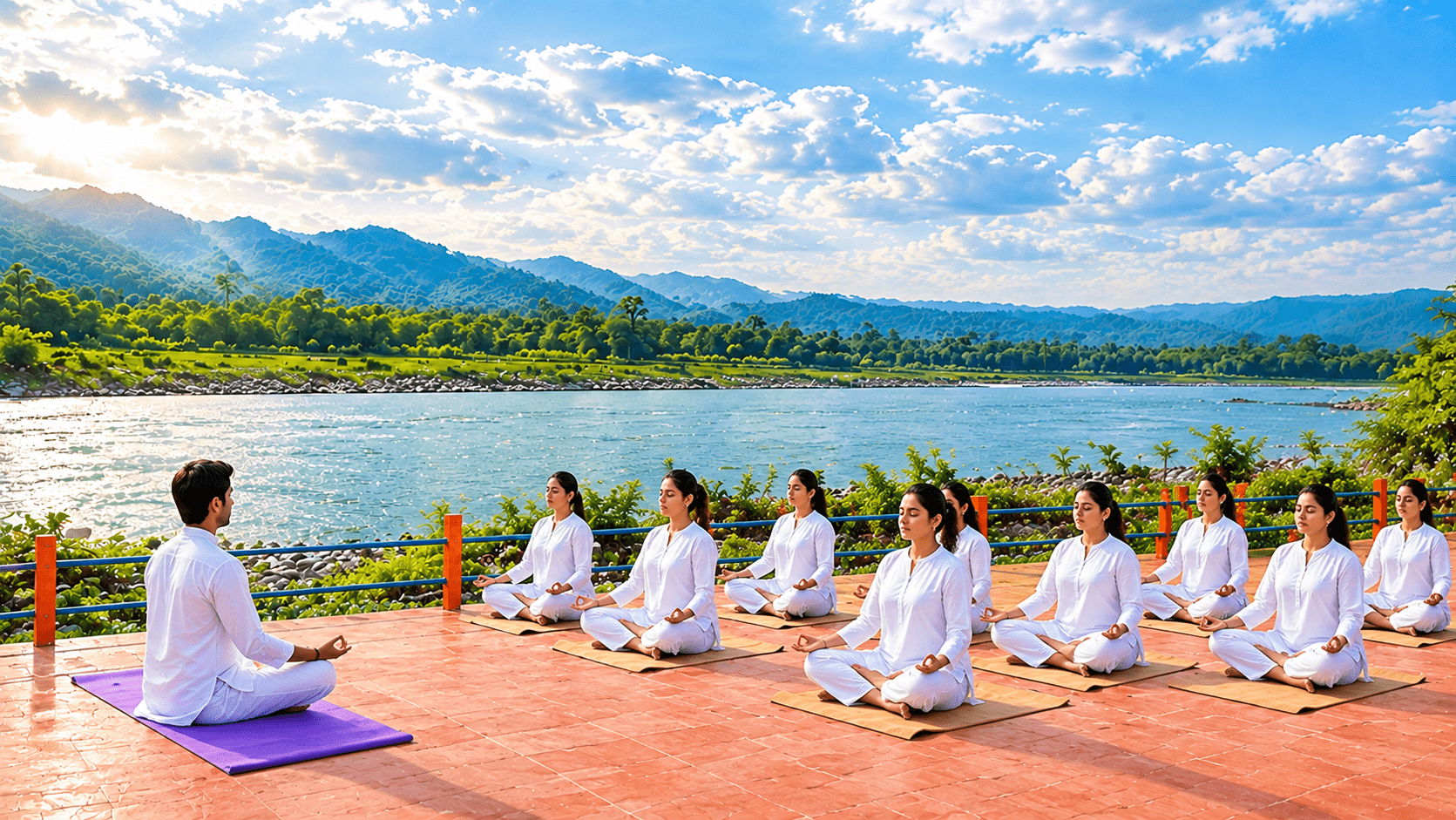
Meditation and quiet time
Giving the nervous system genuine space to settle between therapies.
Yoga & Meditation
Daily yoga and guided meditation complement the therapies by supporting physical flexibility, emotional well-being, and mental relaxation.
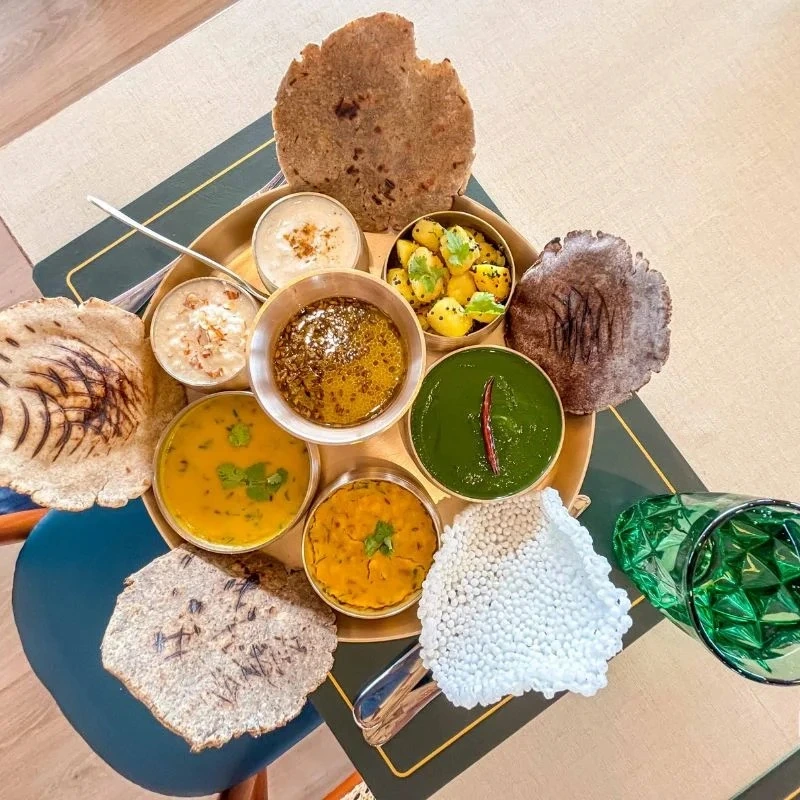
Satvik Ayurvedic Diet
Fresh, wholesome meals prepared according to Ayurvedic principles help support digestion and maximize the benefits of the therapies.
Lifestyle Guidance
Guests receive practical recommendations on diet, daily routines, and wellness practices that can be continued after returning home.
How Long Should a Panchakarma Retreat Be?
The ideal duration depends on your health goals and the recommendations of your Ayurvedic doctor.
- 5 – 7 Days: Introduction to Ayurvedic wellness and rejuvenation.
- 10 – 14 Days: A balanced detox and wellness experience.
- 21 Days or Longer: A more comprehensive Panchakarma program with deeper therapeutic benefits.
Many international visitors choose a two- or three-week stay to fully immerse themselves in the healing process.
Rishikesh vs. Other Ayurvedic Destinations in India
Kerala has the longest continuous tradition of Ayurvedic medicine in India and is widely associated with longer, clinically structured treatment. Rishikesh offers a different combination, Ayurveda integrated with yoga, meditation, and the Ganga, in a Himalayan setting.
Neither is universally better. The right choice depends on what you’re looking for: if Ayurveda combined with yoga, meditation, and a riverside environment matters to you specifically, Rishikesh is the stronger fit.
What to Actually Check Before Booking Anywhere
Who conducts the consultation, and what are their qualifications? Is the programme genuinely personalized, or does every guest follow an identical schedule? What specific therapies, meals, and accommodation are actually included? Does the retreat set realistic expectations, explaining what the programme involves without promising a cure for a specific disease? Is the environment itself, accommodation and surroundings, genuinely conducive to rest?
A retreat with clear, specific answers to all of these is a stronger choice than one with vague reassurance, regardless of how it’s marketed.
Panchakarma at The Neeraj Ganga Wellness Retreat
At The Neeraj Ganga Wellness Retreat, Panchakarma is offered alongside a complete wellness structure, Ayurvedic consultation, yoga and pranayama, meditation, Satvik meals from the retreat’s own organic farm, Ganga-side surroundings and accommodation, and a personalized evening Ganga Aarti. This structure reflects founder Dr. R.K. Gupta’s four decades of experience in healthcare and Ayurvedic practice: consultation genuinely shapes every guest’s programme, rather than the retreat offering a single fixed package under the Panchakarma name.
Is Panchakarma a Medical Treatment?
Panchakarma belongs to the traditional Ayurvedic system and shouldn’t be presented as a replacement for evidence-based medical care. If you have an existing medical condition, take medication, or have specific health concerns, discuss participation with a qualified healthcare professional and your Ayurvedic practitioner before beginning any programme. A responsible retreat will explain what Panchakarma involves honestly, without promising to cure a specific disease or guarantee a particular medical outcome.
Frequently Asked Questions
Is Panchakarma suitable for everyone?
Panchakarma should always begin with a consultation by a qualified Ayurvedic doctor. The therapies are personalized based on individual health conditions and wellness goals.
How many days are recommended?
While shorter wellness programs offer relaxation and rejuvenation, longer programs of 14 – 21 days generally provide a more comprehensive Panchakarma experience.
Is Panchakarma painful?
No. Most therapies are gentle and designed to support the body’s natural healing processes. Some procedures may require temporary dietary or lifestyle adjustments under professional guidance.
Can international visitors undergo Panchakarma?
Yes. Rishikesh welcomes wellness travellers from around the world, and many retreats offer programs specifically designed for international guests.
Begin Your Journey Towards Natural Healing
In a world where stress has become part of everyday life, taking time to restore your health is no longer a luxury – it is an investment in your future.
Panchakarma offers an opportunity to pause, reset, and reconnect with your body’s natural ability to heal. Combined with the peaceful surroundings of Rishikesh, the wisdom of Ayurveda, and the calming presence of the sacred Ganga, it becomes far more than a wellness program – it becomes a transformative journey.
Whether you are seeking a complete Ayurvedic detox, stress relief, or a deeper connection with your overall well-being, The Neeraj Ganga Wellness Retreat invites you to experience authentic Panchakarma in one of India’s most inspiring wellness destinations.