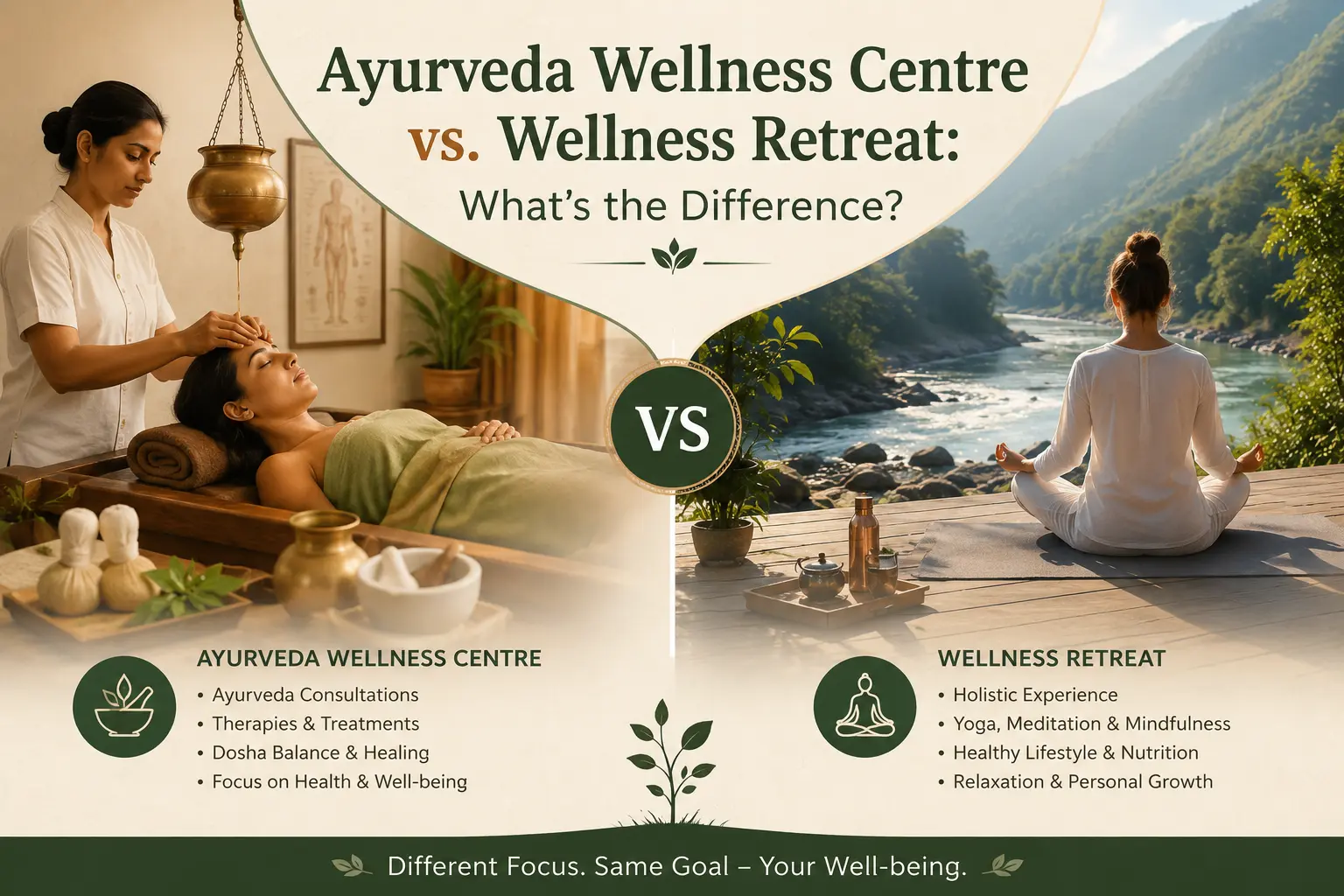
An Ayurveda retreat sounds simple from the outside: choose a beautiful destination, book a programme, and spend a few days taking a break from your usual routine.
In reality, choosing the right retreat takes a little more thought.
Ayurveda retreats in India can be very different from one another. Some focus on traditional therapies, some combine Ayurveda with yoga and meditation, while others are designed more around relaxation and lifestyle. The quality of the consultation, practitioners, food, accommodation, and overall experience can also vary.
If you are planning your first Ayurveda wellness retreat in India, these are some practical things worth considering before you book.
1. Decide What You Want From the Experience
Start with yourself rather than with the retreat.
Ask what you’re genuinely looking for. Perhaps you want to learn more about Ayurveda as a system. Maybe yoga and meditation matter more to you than the therapies themselves, or you simply want a few quiet days away from a demanding routine. You may also want a combination, Ayurvedic treatment, healthy food, nature, and comfortable accommodation, without one element dominating the rest.
There’s no wrong answer here. Knowing what actually matters to you makes it far easier to compare retreats meaningfully, rather than choosing based on which one has the most appealing photos.
2. Think Carefully About the Destination
India has a long, continuous tradition of Ayurveda, and wellness experiences can be found across many parts of the country, each with a different character.
Rishikesh is a popular choice for travelers who want to combine Ayurveda with yoga, meditation, nature, and the atmosphere of the Ganga specifically. Kerala is another well-established destination, generally associated more with longer, clinically structured Ayurvedic programs.
Think about the kind of surroundings you’d actually want to spend several days in. A peaceful riverside setting, for instance, tends to suit someone looking for a slower, quieter retreat experience, rather than one built around activity and variety.

3. Look Beyond the Photographs
Beautiful photographs show you what a retreat looks like. They don’t tell you much about what the experience is actually like.
Before booking, take time to look into the retreat’s practitioners and their qualifications, the specific wellness programmes offered, genuine guest reviews, the accommodation, the food, the individual therapies, the facilities, and the retreat’s policies and inclusions.
Pay particular attention to whether the retreat is transparent about who actually conducts consultations and therapies. A retreat that’s specific and clear about this, rather than vague, is generally a good sign.
4. Understand How the Ayurvedic Consultation Works
If Ayurveda is a significant reason for your trip, it’s worth finding out exactly how the consultation process works before you arrive.
A qualified Ayurvedic practitioner will typically ask about your lifestyle, daily routine, dietary habits, and general wellbeing before discussing an appropriate programme for you specifically. Not every retreat takes this approach with the same depth, so it’s worth asking directly.
A genuinely personalized consultation helps you understand what your programme actually involves, rather than simply selecting treatments from a fixed list because they sound appealing.
5. Check Exactly What Your Programme Includes
The phrase “wellness package” can mean quite different things at different retreats.
Before paying, ask for a clear, itemized breakdown. Does the package include an Ayurvedic consultation, specific Ayurvedic therapies, yoga, meditation, meals, accommodation, broader wellness activities, and a follow-up consultation before you leave?
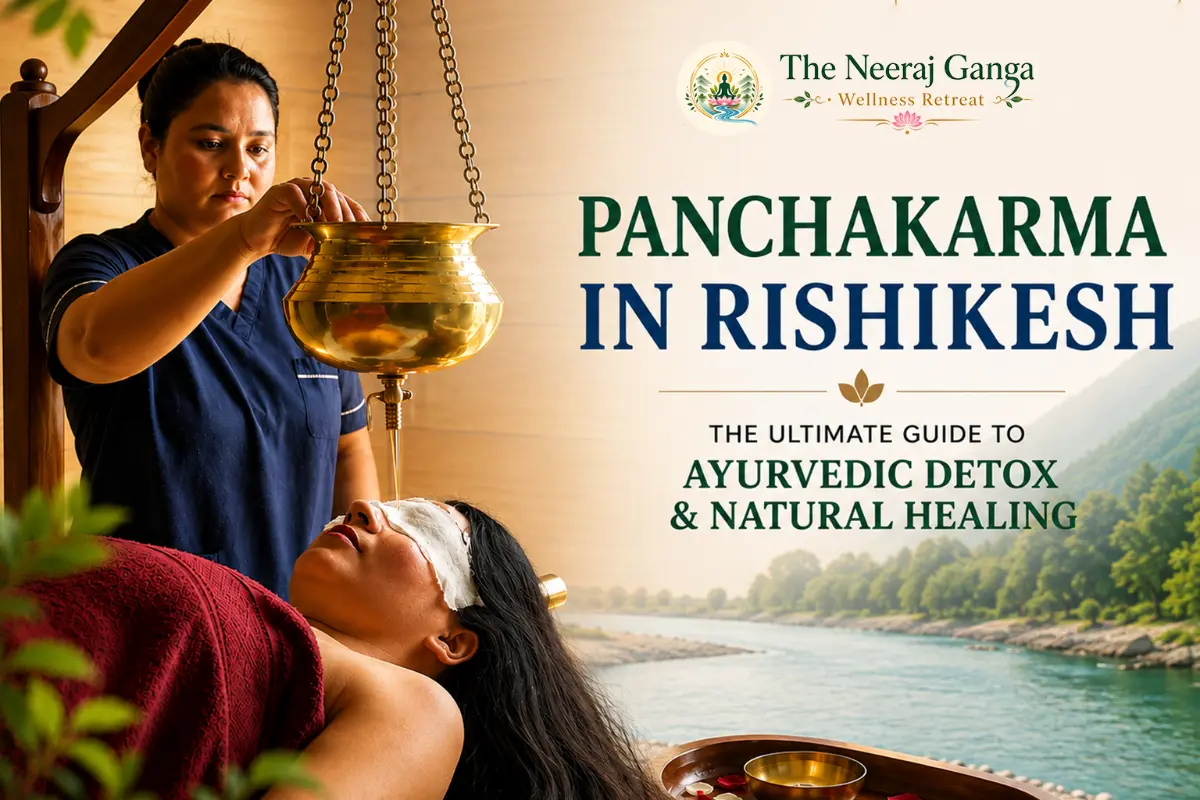
If you’re specifically interested in Panchakarma or another structured Ayurvedic programme, ask exactly what’s included and who will be guiding it. It’s far better to have these answers confirmed before arrival than to make assumptions and be disappointed once you’re there.
6. Choose a Duration That Actually Fits Your Goals
You don’t necessarily need a long stay to get real value from a wellness retreat.
A shorter stay can offer a genuine introduction to Ayurveda, yoga, meditation, and the retreat’s environment. A longer programme gives you more time to settle into a different daily rhythm and allows structured therapies, like Panchakarma, the time they actually need to work.
Rather than choosing a retreat simply because it advertises a seven, ten, or fourteen-day package, look at how those days are actually structured. What will you actually be doing, and how does that time build toward something, rather than just filling a schedule? That’s usually more useful information than the number printed on the package.
7. Don’t Ignore the Food
Food is a daily, repeated part of the experience at any Ayurveda-focused retreat, not a side detail.
Many retreats have their own specific approach to wellness dining, including Sattvic-inspired meals or fully vegetarian menus. If you have dietary requirements, allergies, or particular preferences, raise them before booking rather than assuming they’ll be accommodated.
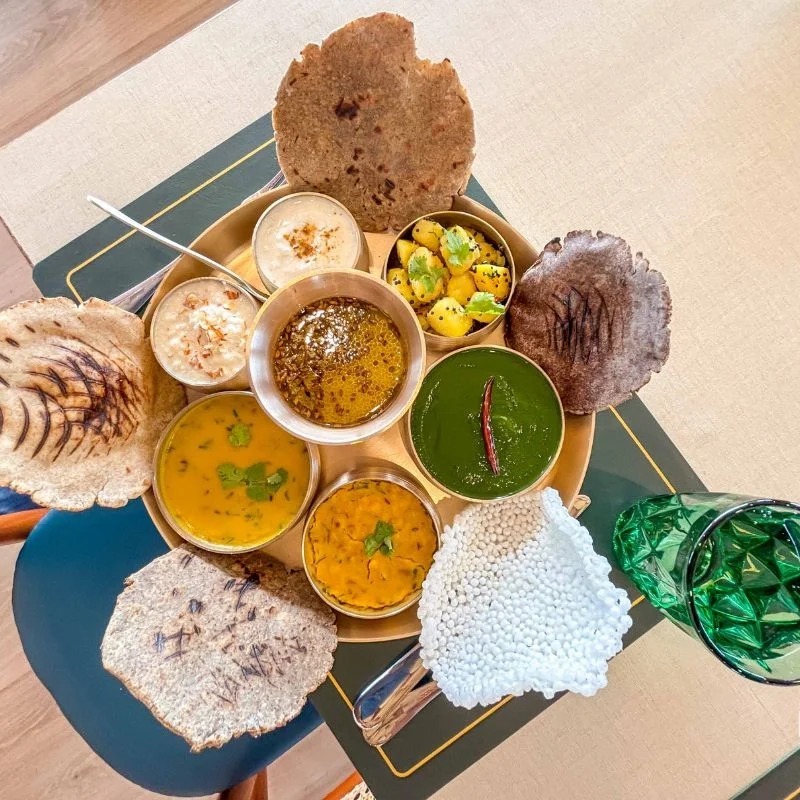
It’s also worth asking about meal timings specifically, and whether dietary guidance is actually part of your programme or offered separately. A retreat should be clear about what guests can expect here, rather than leaving these details until arrival.
8. Choose Accommodation Where You Can Genuinely Rest
It’s easy to focus entirely on therapies and forget that you’ll spend a significant portion of your retreat simply resting in your room.
Look carefully at privacy, cleanliness, room facilities, natural surroundings, views, comfort, and accessibility. For a wellness stay specifically, your accommodation should feel like a genuine part of the overall experience, not just somewhere you return to at night between activities.
9. Look at What Happens Outside the Therapy Sessions
An Ayurveda retreat doesn’t have to revolve entirely around treatment sessions.
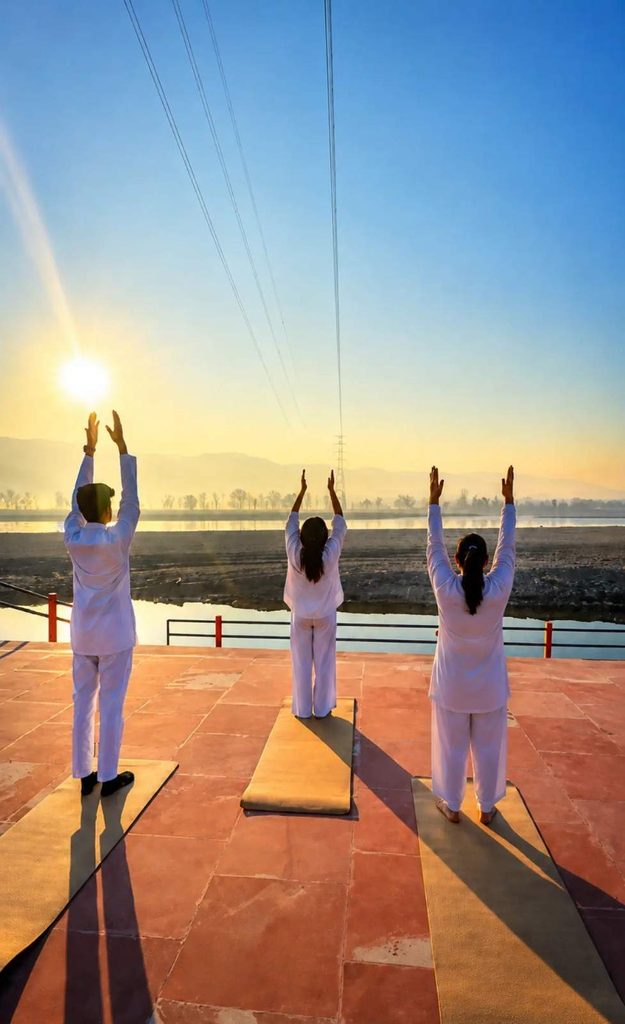
For many guests, the quieter parts of the day end up being just as memorable as the therapies themselves. Yoga, meditation, breathing practices, walks, time spent beside the Ganga, reading, or simply having an uninterrupted cup of tea can all become a genuine part of the experience.

When comparing retreats, it helps to look at the complete daily environment, not just count how many therapy sessions are included in a package.
10. Ask Direct Questions Before You Book
Don’t hesitate to contact the retreat directly rather than relying on the website alone. A short conversation often reveals things a website simply can’t.
Worth asking specifically: who will actually conduct your Ayurvedic consultation, what’s included in the package, which therapies are involved, what type of food is served, what your room will actually look like, whether yoga and meditation are included, what you should bring, and what the booking and cancellation policies are.
If the answers you get are clear and specific rather than vague, you can generally book with more confidence.
Planning Your Stay at The Neeraj Ganga Wellness Retreat
For travelers considering Rishikesh specifically, The Neeraj Ganga Wellness Retreat offers an Ayurveda-focused wellness experience alongside yoga, meditation, traditional therapies, Sattvic-inspired food, comfortable accommodation, and a peaceful setting near the Ganga.
A Consultation Before the Programme
Every stay includes an Ayurvedic consultation, giving guests the opportunity to discuss their individual requirements and wellness goals before beginning a selected programme. This is particularly useful for first-time visitors who may not yet be familiar with how Ayurvedic wellness practices actually work in a structured setting.
Ayurveda, Yoga, and Meditation Together
Rather than treating Ayurveda as a standalone experience, the retreat brings several elements together. Depending on the specific programme, guests experience Ayurvedic therapies alongside yoga and meditation, creating a more structured, complete wellness routine over the course of the stay.
Sattvic-Inspired Dining
Meals are treated as part of the retreat experience itself, not a separate hospitality offering. The retreat serves Sattvic-inspired food designed to complement the slower pace of the stay, and guests with specific dietary requirements can discuss these directly with the retreat before arrival.
The Copper Bathtub Experience
One of the more distinctive features at The Neeraj Ganga Wellness Retreat is its copper bathtub. The traditional-style bathtub adds a different character to the bathing experience and fits naturally within the retreat’s broader emphasis on traditional wellness and relaxation.
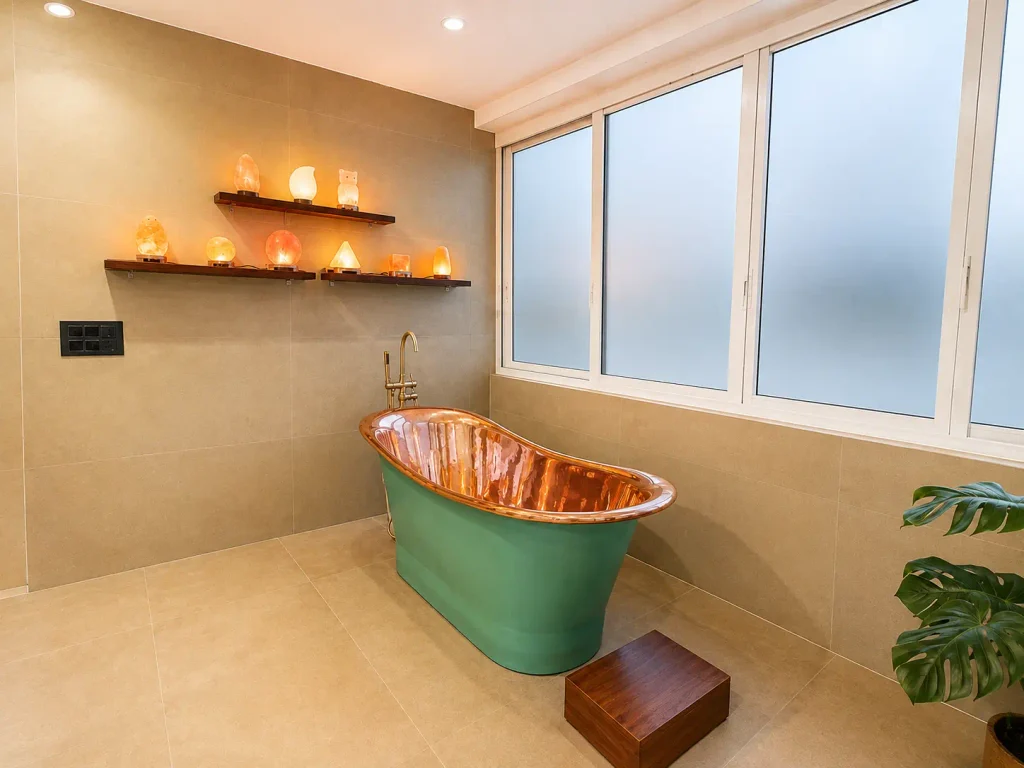
It’s worth understanding this specifically as a relaxation experience, rather than as a medical treatment or a guaranteed health benefit, an honest distinction that matters more than the feature itself.
A Ganga-Side Setting
The surroundings play a real role in the overall experience. Being close to the Ganga gives guests genuine distance from the noise and pace of everyday life. For many visitors, it’s the combination of Ayurveda, yoga, meditation, nature, and a riverside environment together, not any single element on its own, that makes a stay in Rishikesh feel distinctive.
What Actually Makes a Good Ayurveda Retreat?
There isn’t one retreat that’s right for everyone.
For one traveler, the Ayurvedic practitioner’s background might matter most. For another, it could be the location, the food, the accommodation, or how the programme is actually scheduled day to day.
Rather than looking for the retreat that makes the most impressive promises, look for one that gives you clear information and realistic expectations upfront. A reasonable starting checklist: qualified practitioners, clearly defined programmes, comfortable accommodation, appropriate food, good hygiene, genuine guest reviews, and transparent communication throughout.
If a retreat makes medical promises that sound too good to be true, that’s worth pausing on and investigating further before booking.
A Final Word Before You Book
An Ayurveda retreat is still a personal journey, and you don’t need to arrive already knowing everything about Ayurveda to get real value from it.
Take time to understand the programme, ask direct questions, and make sure the retreat genuinely fits what you’re actually looking for.
It’s also worth remembering that Ayurveda is a traditional system of health and wellbeing, not a guaranteed cure for medical conditions, and it shouldn’t be presented as one. If you have an existing medical condition, take medication, or have concerns about participating in a specific therapy, speak with an appropriate healthcare professional as well as the qualified practitioner at the retreat before beginning any programme.
The best wellness experience is ultimately one where you know exactly what you’re signing up for and feel genuinely comfortable with the people guiding you through it.
For travelers looking for Ayurveda, yoga, meditation, traditional wellness experiences, and a peaceful Ganga-side environment, The Neeraj Ganga Wellness Retreat in Rishikesh brings these elements together within a single stay.
Frequently Asked Questions
What is an Ayurveda wellness retreat in India?
It’s a wellness-focused stay built around traditional Ayurvedic approaches, which may include consultations, therapies, yoga, meditation, food practices, and structured daily routines, depending on the specific retreat and programme.
How do I choose the right Ayurveda retreat?
Look closely at the practitioner’s qualifications, the specific programme details, accommodation, food, individual therapies, genuine reviews, location, and exactly what’s included in the package price before comparing options.
How long should I stay at an Ayurveda retreat?
There’s no single correct answer. A short stay can offer a genuine introduction, while longer programmes give structured therapies like Panchakarma the time they actually need to be effective.
Is Panchakarma included in every Ayurveda retreat?
No. Panchakarma is a specific, structured Ayurvedic programme and isn’t automatically part of every retreat or package. Always confirm this directly rather than assuming it’s included.
What should I ask before booking?
Ask specifically about the consultation process, practitioner qualifications, exact programme inclusions, therapies offered, food and dietary accommodations, the daily schedule, pricing, and the booking and cancellation policy.